Many of Donald Trump’s international critics have long accused the American president of setting tariff rates for petty and personal reasons that have nothing to do with trade policy. At the World Economic Forum in Davos, Switzerland, the Republican effectively conceded that his critics were right. The New York Times reported:
President Trump said on Wednesday that he imposed higher tariffs on Switzerland last year, at least in part, because of a phone call with the country’s president that ‘rubbed me the wrong way.’
The tariff rate, which Mr. Trump set at 39 percent last August, was significantly higher than the rates he imposed on the European Union, which negotiated a 15 percent tariff, and Britain, which reached a 10 percent tariff deal.
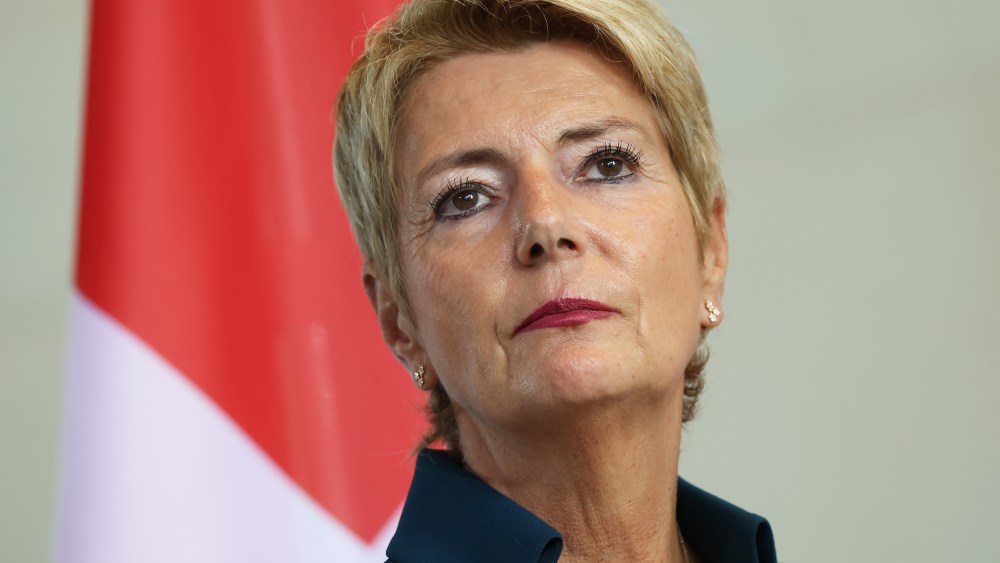
As part of his remarks, the American president admitted that he didn’t remember the name of the Swiss president at the time, Karin Keller-Sutter, or her title. (“I guess prime minister, I don’t think president,” Trump said.)
But he remembered thinking she was “very repetitive” when she asked him to be more reasonable, adding, “She just rubbed me the wrong way, I’ll be honest with you.”
At that point, Trump said he imposed a 39% tariff on Swiss products — a level he later reduced after, as an Axios report summarized, the Swiss deployed a delegation of industry tycoons to the White House bearing gifts, including “a special Rolex desktop clock, a 1-kilogram personalized gold bar, and loads of flattery.”
Whether the American president realized it or not, he wasn’t supposed to admit the one thing he implicitly acknowledged at the Davos gathering: The entire foundation of the White House’s tariff strategy is rooted in an “emergency” that doesn’t exist.
As regular readers know, the administration and its lawyers have spent months arguing that the president must have unilateral power to impose arbitrary tariffs on U.S. trade partners — without congressional approval — in response to “emergency” conditions that necessitate dramatic action.
Except with a Supreme Court due to rule on Trump’s trade policy any day, Trump keeps giving away the game. Brazil prosecuted a politician allied with Trump? Tariffs. European countries aren’t on board with his Greenland crusade? Tariffs. France’s Emmanuel Macron isn’t interested in Trump’s “Board of Peace”? Tariffs. The Swiss president annoyed Trump during a phone meeting? Tariffs.
The “emergency” pretense is in the wind — to the extent that it ever existed in the first place.
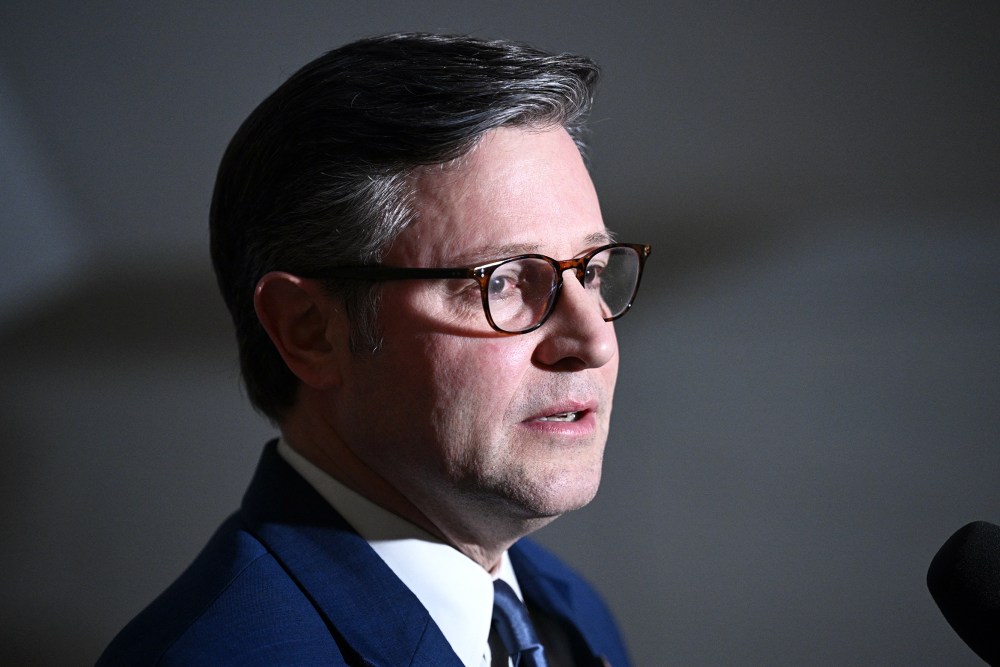
As for Congress, which is actually empowered by the Constitution to set tariff rates, a reporter asked House Speaker Mike Johnson whether lawmakers will ever get around to exerting their authority.
The Louisiana Republican, who’s long described himself as a “constitutional lawyer,” replied, “I have no intention of getting in the way of President Trump and his administration [on tariffs policy]. He has used the tariff power that he has under Article II very effectively.”
As Johnson really ought to know, there is no such thing an Article 2 tariff power. As a legal matter, the House speaker’s comments were gibberish.
This post updates our related earlier coverage.



Become a member to join the discussion