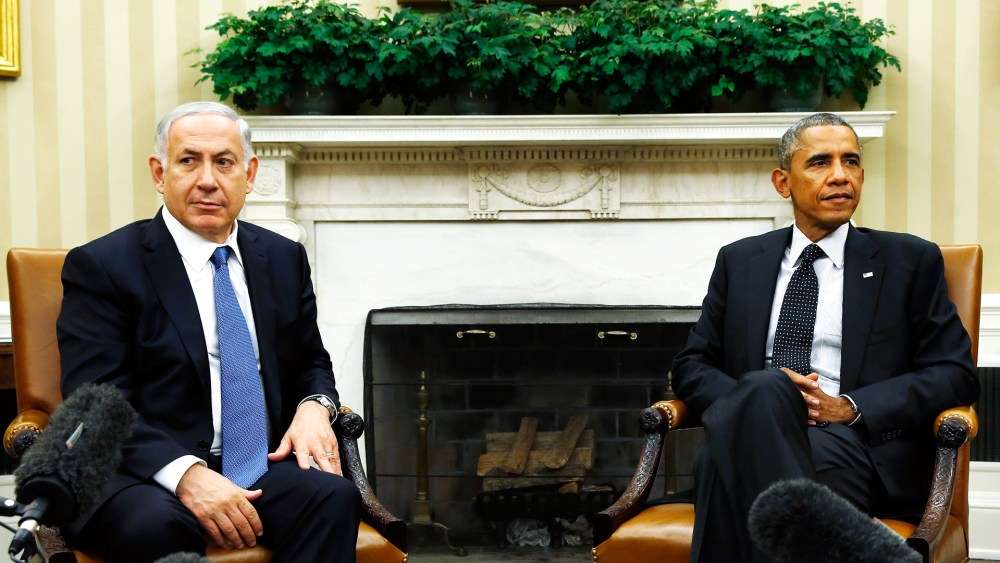
Friday wasn’t the first time the United Nations dealt with a resolution criticizing Israel over settlements, but it was the first time in a while the Security Council passed a resolution — because the Obama administration abstained, rather than vetoing the measure the way Israeli Prime Minister Benjamin Netanyahu wanted.
It is the first resolution the Security Council has adopted on Israel and the Palestinians in nearly eight years.The lack of U.S. involvement in the vote represents a sharp break with tradition of protecting Israel from UN action. It was seen as a last-ditch attempt by the council to put the brakes on settlement building and get the Israelis and Palestinians talking again before Trump’s inauguration.
The political reactions have been swift, and at times severe, but what’s interesting about a story like this one is appreciating just how many angles there are to the underlying controversy.* Netanyahu vs. Obama: The Israeli prime minister has gone to almost ridiculous lengths to undermine the American president, but for eight years, Obama kept his cool. The outgoing American leader does have his limits, however, and in this case, Netanyahu wanted U.S. support for Israel ignoring the White House’s position on settlements. Israeli officials were outraged that Americans allowed the vote to happen, but they shouldn’t have been surprised.* Trump tries to play diplomat: At least for now, Donald Trump is a private citizen with literally no experience in foreign policy, but that didn’t stop him from urging the Obama administration to side with Israel and against other U.S. allies on the settlement resolution. Trump reportedly intervened following a direct appeal from Israeli officials who privately reached out to the Republican, hoping to play the incoming U.S. president against the outgoing U.S. president. (As a rule, American allies don’t work behind the scenes with a president-elect to undermine a sitting president.)* Recent political history: Some of the chatter over the holiday weekend suggested Obama had done something unprecedented by allowing this vote to happen. That’s absurd. Dozens of U.N. resolutions criticizing Israel were approved during Republican administrations, and Reagan, in particular, had deeply strained relations with the Israeli government in the 1980s. GOP partisans may be eager to attack Obama, but let’s not pretend this dynamic is entirely new.* A familiar partisan split: Trump and congressional Republicans were incensed that the U.S. delegation didn’t veto the resolution, but Sen. Dianne Feinstein (D-Calif.), to her credit, endorsed the White House’s actions.* The road ahead: Netanyahu, who apparently sees no difference between criticism of Israeli settlements and criticisms of Israel itself, expects Trump to embrace a foreign policy in which U.S. officials endorse Israeli policies without question, which is likely to be the case, especially given Trump’s recent diplomatic decisions. In fact, for decades, there’s been bipartisan American support for a two-state solution and restraint when it comes to new settlements. Under Trump, both tenets are likely to be abandoned, even if that pits the United States against its other international allies.Meanwhile, as a two-state solution moves even further out of sight, Netanyahu appears eager to respond to international criticisms of settlements by building more settlements and pushing away the countries that are urging Israeli officials to pursue a different course.This mess will not get better anytime soon.