

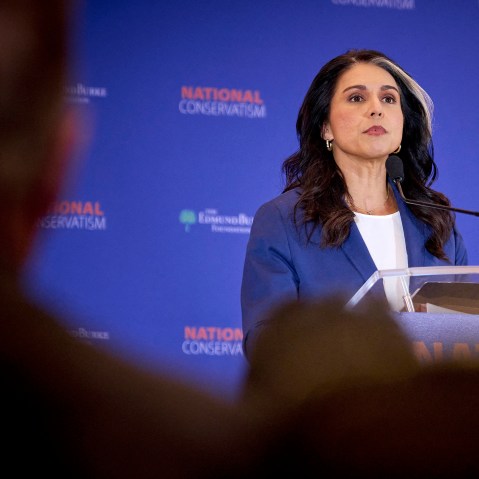
Given her dreadful record, Director of National Intelligence Tulsi Gabbard never should have been nominated in the first place. Given how poorly her confirmation process went, Gabbard never should have been approved by Senate Republicans.
But as the first anniversary of her confirmation approaches, it’s worth pausing to appreciate what an embarrassment her tenure as DNI has been. Indeed, following months of controversies and missteps, the former Hawaii congresswoman found herself left out of important strategy sessions and briefings, apparently having fallen out of favor with Donald Trump.
As 2026 got underway, amid multiple international crises, Gabbard was on the outside looking in. Some White House aides reportedly joked that the abbreviation of her title, DNI, stood for “Do Not Invite.”
Last week, Gabbard’s troubles intensified after she needlessly participated in an FBI raid on an Atlanta-area elections office, despite the fact that the DNI is prohibited by law from taking part in domestic law enforcement. This week, her standing went from bad to worse when a report in The Wall Street Journal reached the public:
A U.S. intelligence official has alleged wrongdoing by Director of National Intelligence Tulsi Gabbard in a whistleblower complaint that is so highly classified it has sparked months of wrangling over how to share it with Congress, according to U.S. officials and others familiar with the matter.
The filing of the complaint has prompted a continuing, behind-the-scenes struggle about how to assess and handle it, with the whistleblower’s lawyer accusing Gabbard of stonewalling the complaint. Gabbard’s office rejects that characterization, contending it is navigating a unique set of circumstances and working to resolve the issue.
As my MS NOW colleague Ja’han Jones noted, a spokesperson for Gabbard’s office confirmed the existence of the complaint but called it “baseless and politically motivated.” The Journal also quoted the unnamed whistleblower’s lawyer, who said it was “confounding for [Gabbard’s office] to take weeks — let alone eight months — to transmit a disclosure to Congress.”
The lawyer, Andrew Bakaj, emphasized this week that the complaint was filed with the intelligence community’s inspector general in May, and that in June the whistleblower asked that it be shared with lawmakers. That didn’t happen, thus generating accusations that Gabbard had taken steps to hide the complaint against her.
To be sure, the whistleblower complaint apparently deals with highly sensitive allegations, to the point that the complaint has reportedly been locked in a safe since its filing. But Congress’ Gang of Eight — made up of the top two leaders from both parties and both chambers, as well as the leaders of the House and Senate intelligence committees — is often briefed on matters of the utmost secrecy. These briefings are necessary, not optional, as part of Congress’ oversight authority.
And yet, Congress has been blocked in its efforts to gain access to the complaint against Gabbard — a situation that a source with knowledge of the matter confirmed to MS NOW’s national security reporter David Rohde on Monday.
At least, it was blocked. Sen. Mark Warner of Virginia, the top Democrat on the Senate Intelligence Committee, told Capitol Hill reporters on Tuesday that the Gang of Eight will, at long last, have an opportunity to review the whistleblower complaint against the DNI.
Given the circumstances, it’s unlikely that any member of the Gang of Eight will be able to speak publicly about what the complaint entails, but the disclosure will have the effect of advancing the broader controversy and at least opens the door to possible committee hearings.
The president, for his part, has said very little about the burgeoning story, though he did publish a brief item to his social media platform on Tuesday night that quoted a conservative outlet that said the complaint against Gabbard “did not appear credible” according to the inspector general’s office.
While it’s difficult to say whether that assessment is fair, it’s worth noting that The Washington Post reported that Gabbard took steps last spring to politicize her agency’s inspector general’s office.
The Post’s article was published in early June — shortly after the complaint from a whistleblower was filed against Gabbard with the IG’s office.
This post updates our related earlier coverage.




Become a member to join the discussion