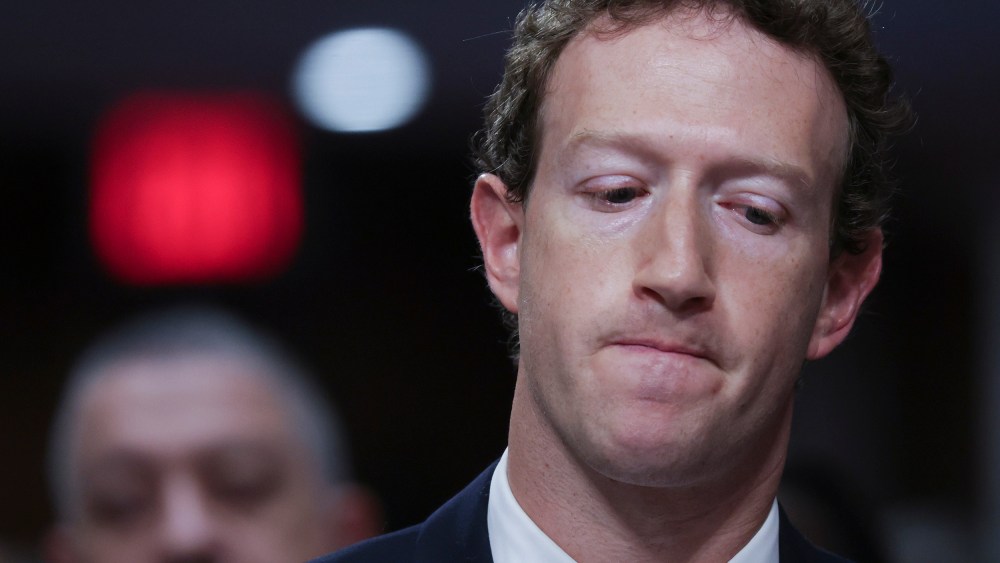
A new lawsuit filed by the U.S. Virgin Islands against Meta accuses the social media behemoth of knowingly endangering children and leaving other users vulnerable to scams while profiting from it all.
The lawsuit, filed on Tuesday by the U.S. Virgin Islands Department of Justice, accuses Meta of violating the Consumer Protection Law and the Consumer Fraud and Deceptive Business Practices Act by allowing “fraudsters to use Meta’s algorithms and user data to target the most vulnerable users, according to a press release issued by the office of V.I. Attorney General Gordon Rhea.
Rhea said the complaint also alleges that the technology giant “charged fraudsters extra for the right to advertise scams” rather than removing the ads. Furthermore, he said, the lawsuit claims that Meta “knowingly profited” from the scams and “projected that 10% of its revenue in 2025, roughly $16 billion, would derive from fraudulent ads.”
The lawsuit also accuses Meta of allowing its platforms — “including its social media, messaging, and virtual reality (VR) platforms — to become breeding grounds for predators who groom, solicit, and sexually exploit children,” the attorney general said.
Meta did not immediately respond to MS NOW’s request for comment on the Virgin Islands lawsuit. But it dismissed the allegations as meritless in a statement provided to Reuters.
“We strongly disagree with these allegations and are confident the evidence will show our longstanding commitment to supporting young people,” Meta spokesperson Andy Stone said in the statement to Reuters. He added, “We aggressively fight fraud and scams because people on our platforms don’t want this content, legitimate advertisers don’t want it and we don’t want it either.”

The lawsuit, however, alleges Meta “not only endangers consumers and children but intentionally misleads the public about it.”
The complaint cites a Reuters investigative report from November that concluded Meta is “earning a fortune on fraudulent ads.” Allegations that Meta platforms pose dangers to children have been lobbed by multiple whistleblowers who previously worked at the company and have helped form the basis of several states’ lawsuits against Meta in recent years.
When these suits first emerged in 2023, a Meta spokesperson told The Wall Street Journal the company was “disappointed” state attorneys general took this path and claimed the company had “engaged in a meaningful dialogue with the attorneys general regarding the ways Meta already works to support young people on its platforms,” and that the company is “continuously working to improve young peoples’ experiences.”
When court filings in November alleged Meta executives buried evidence of their platforms’ harms to children, the company told TIME that its officials “strongly disagree with these allegations, which rely on cherry-picked quotes and misinformed opinions in an attempt to present a deliberately misleading picture.”
But Attorney General Rhea paints a much different picture, and one shared widely.
“With this lawsuit, the Virgin Islands not only joins 42 other state attorneys general who have taken Meta to court for its failures to protect children and to honestly disclose the risks on its platforms, but expands their efforts by seeking to hold Meta accountable for knowingly facilitating, failing to address, and richly profiting from widespread fraud on its platforms,” his press release says.
The lawsuit exemplifies the roadblocks Meta CEO Mark Zuckerberg and his company have faced as they’ve tried to assert their dominance in the social media space while competing with other platforms such as TikTok, Reddit and X.