

President Donald Trump and Israeli Prime Minister Benjamin Netanyahu sat surrounded by cameras and reporters in the White House on Monday. My family and I watched, willing ourselves to believe that this moment might finally end the nightmare we’ve been living for nearly two years since our son Itay was abducted by Hamas into the Gaza Strip.
I am concerned that extremists on both sides will attempt to shape the final language of the negotiations in ways that will allow them to derail or exploit the deal.
Much of the recent discussion around Gaza has focused on the so-called day after plan and what governance might look like there, which international players will be involved, and how stability might eventually be restored to the devastated area. These conversations are crucial, but they run the risk of losing sight of the most urgent, nonnegotiable priority: the release of my son, Itay, a U.S. citizen, and the remaining 47 hostages still in captivity. Any ceasefire that does not include their freedom is not a peace agreement; it is an abdication of responsibility.
While the Israeli prime minister indicated that he accepted the basic contours of the president’s 20-point peace plan, I am concerned that extremists on both sides will attempt to shape the final language of the negotiations in ways that will allow them to derail or exploit the deal. We have already heard these voices, minutes after the conclusion of the news conference.
Agreements crafted with ambiguity are fragile by design. They offer opportunities for spoilers to break them at the first possible convenience. For these talks to deliver real solutions, the commitments made, especially regarding the hostages, must be entirely unambiguous. And they must include a release of all of the hostages at the beginning of the ceasefire.
This moment must not be squandered. Extraordinary diplomatic energy has been invested in recent weeks: the president’s meetings with Arab leaders, his private discussions with the Turkish president, and multiple cycles of conversations between presidential envoys Jared Kushner and Steve Witkoff and Prime Minister Netanyahu. Together, these engagements represent a rare alignment of international focus. Failing to translate them into a concrete outcome now would risk squandering the momentum entirely and dooming the hostages to perish in Hamas’ dungeons.
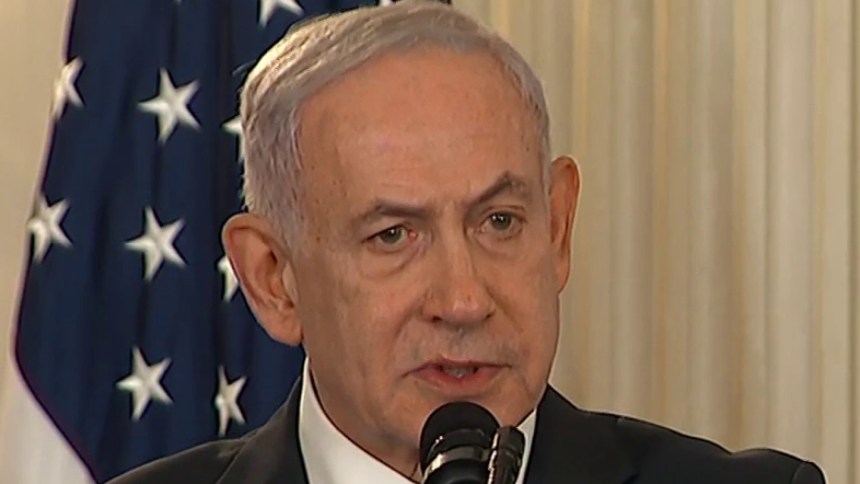
The world must also be clear-eyed and in line with President Trump: Hamas has no future in Gaza. Its rule is incompatible with peace, stability or human dignity for either Israel or the Palestinians. This is not a matter of political ideology; it is a humanitarian imperative. Now we wait for Hamas to accept these terms. With Qatar, Turkey and other moderate Arab countries backing the agreement, Hamas has limited wiggle room, but no deadline was set Monday.
To end this ongoing tragedy, not only must the fighting cease, but all the hostages, living and deceased, need to return to their families. Without a resolution of the hostage crisis as a stand-alone obligation of international law and human conscience, this tragedy will remain open-ended.
As we approach Yom Kippur, the Jewish Day of Atonement, it is time for reflection and accountability. The choices made in the coming days will determine whether this moment leads to a lasting step forward or spirals into another cycle of unnecessary heartbreak.
Ahead of the holiest day in the Jewish calendar, we pray that Prime Minister Netanyahu, when he returns to Israel, will continue to choose what is necessary — not what is politically expedient. Let this become the moment when right overrides politics, humanity overrides hesitation, and this tragedy finally begins to come to an end.
Let tomorrow be the day we get a phone call from President Trump and special envoy Witkoff: Itay is coming home.




Become a member to join the discussion