
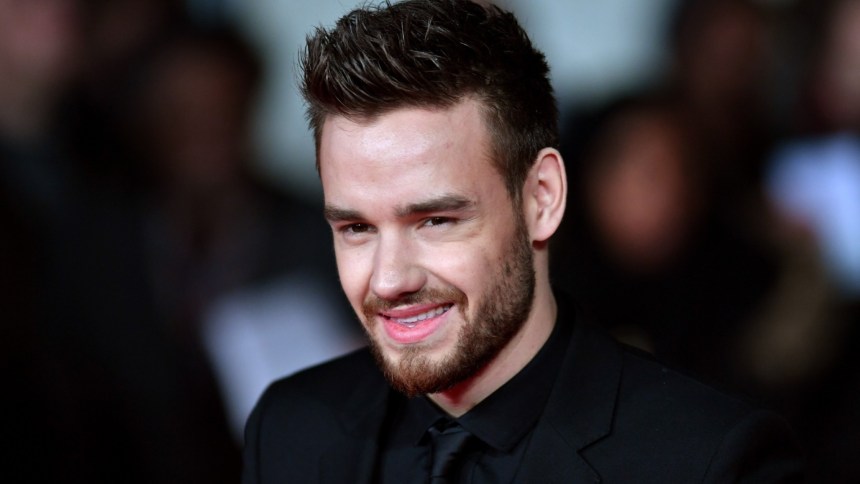
One Direction fans have long distinguished themselves as tireless advocates for a band that, for a few years in the 2010s, was one of the biggest cultural phenomena in the entire world. A 16-year-old fan started a GoFundMe to raise the $87.8 million needed to buy the band’s contracts in an attempt to get recently departed member Zayn Malik to rejoin the group. (“This is all the money I have left in my account,” one funder commenter claimed in 2015; the fundraiser failed.) Other fans have mobilized to help the band win accolades, traveled around the world together for shows and participated in elaborate projects. When the group disbanded, fans went on to support the artists’ solo careers, and celebrated milestones like the group’s 10th anniversary in 2020.
When band member Liam Payne died last week after falling off a hotel balcony in Buenos Aires, “Directioners” came together once again, this time to grieve.
And when band member Liam Payne died last week after falling off a hotel balcony in Buenos Aires, “Directioners” came together once again, this time to grieve. Some revived old fan accounts or mourned on TikTok. Others attended one of the many vigils that popped up around the world. We don’t know all the details yet about Payne’s death, although several local and international news outlets have reported the singer had a variety of drugs in his system when he died, including something called “pink cocaine.” (MSNBC has not verified these toxicology details.) But the tremendous outpouring was a reminder of just how impactful One Direction had been on an entire generation of online fans.
Liam Payne, Harry Styles, Louis Tomlinson, Zayn Malik and Niall Horan were all between 16 and 18 years old when they auditioned individually on the British reality show “X Factor.” Convinced that they would sound better as a group, showrunner Simon Cowell and guest judge Nicole Scherzinger encouraged the teens to compete together. Their instincts were right: One Direction went on to play four sold-out world tours, release five studio albums and become the first group to have its first four albums debut at the top spot in the United States.
From the very beginning, the boy band’s greatest strength was the way it catered to its audience. In a retrospective piece in Rolling Stone about the band’s success, Swedish producer Carl Falk explained that the guitar riffs on early songs such as “What Makes You Beautiful” and “One Thing” were intentionally composed to be easy enough for 15-year-olds to learn and play along.
One Direction’s lyrics also felt crafted with fans in mind. Rather than sharing personal stories or the minutiae of emotionally fraught situations like Taylor Swift, One Direction songs aimed for a kind of anti-diaristic appeal. The group either expressed (and invited the listener to experience) a fleeting, grandiose emotional state — the euphoria of dancing to the perfect song, the thrill of living exuberantly while you’re young — or addressed a romantic topic so broad most listeners could relate.
The music video for “Night Changes” explicitly plays into this dynamic: It shows the band’s five members on (ultimately ill-fated) dates, positioning the viewer as the object of their affections. Even a track like “Little Things,” which is ostensibly about the specific, tiny moments that make you fall in love, feels purposefully vague. Who amongst us doesn’t cringe at the sound of their voice on tape?
But while One Direction’s music shied away from specific details, the band members themselves always managed to feel relatively authentic. Unlike the boy bands that came before them, One Direction didn’t partake in choreographed dance numbers, which can feel curated and almost corporate. Instead, they joked and bantered with each other on stage, showing off their natural chemistry. There was a sense among fans that this music was being created by relatable young men who cared about their art — and one another.
One Direction was especially skilled at using social media to connect with listeners. Many fans cite the band’s early video diaries, released on YouTube when the quintuplet was competing on “X Factor,” as an entry point into their music. In later years, band members would often respond to fans online or answer questions on Instagram Live, inspiring an ardent loyalty among the biggest supporters.
All of this was happening as the internet was fundamentally changing.
There was a sense among fans that this music was being created by relatable young men who cared about their art — and one another.
The band released its first single in 2011. In her book about the power of One Direction’s fan communities, “Everything I Need I Get From You: How Fangirls Created the Internet as We Know It,” Kaitlyn Tiffany writes that the band’s debut coincided with a moment when “teenagers started getting Twitter accounts, which happened just as Tumblr started selling advertising, which was around the time that Instagram launched and exploded and was acquired by Facebook, just as YouTube was cleaning up its design so that young people would have an easier time falling into algorithmic wormholes.”
And yet, as Lucy Ford points out, there was still a level of interpersonal connection possible between fan and celebrity. “Thriving pockets of community” could still exist at this time, she notes, because information was not yet, “funneled into two or three apps whose algorithms favor the most inflammatory opinions.”
One Direction fans ultimately became a powerful and unique community. Tiffany writes that they created new online lingo, established the concept of a “stan war,” or fight between two fan communities, and collectively schemed ways to boost streaming numbers. In 2013, when the music video for “Best Song Ever” was released, fans mobilized to stream it nonstop from various devices. The video broke the Vevo record for most views within 24 hours. Other fan accounts gained so much momentum and authority that they operated as de facto news sources.
This intense parasocial dynamic had its dark sides, of course. The members of One Direction, who were kids when they became global superstars, were subjected to intense surveillance and sexualization by their fans (and by the media.) Their flight information was hacked. People allegedly tried to break into their hotel rooms. Journalists asked them how many people they had slept with.

In this way, One Direction fans both pioneered new ways of connecting online and became known for their disregard for boundaries and intense in-group thinking. This behavior — across all fan communities — has arguably only gotten worse in the years since One Direction broke up in 2016. Over the last decade, fan culture has become increasingly more organized and more hostile; today it’s relatively common for fans to dox or send death threats to people who disagree with their idols.
Payne in particular seemed to struggle with some of the intense attention. He had spoken about sometimes turning to alcohol to cope with the intense scrutiny. Just a few days before he died, Payne received a cease and desist from his ex-fiancée, who alleged that he wouldn’t stop contacting her and had weaponized his fans against her. Other women also came forward with accounts of inappropriate behavior by Payne.
One Direction came of age online, a band of attractive, wholesome young pop stars who quickly were forced to reckon with both the fantasy and misery of massive fame. “One Direction changed the internet, and Liam Payne was always going to be immortalized by it,” Ford writes. “But that fact has never been more sobering than in his death.” Grieving fans must grapple not only with Payne’s passing, but perhaps also the end of an era in their own lives; a time when Simon Cowell was still a pop music kingmaker, their favorite boy band was still a source of inspiration and the internet still felt like an exciting, communal project.



Become a member to join the discussion