The latest health care battle between Democrats and Republicans ended last week with a Democratic surrender.
Eight Senate Democrats crossed party lines and voted to end the long government shutdown without achieving the party’s key demand: extending subsidies for millions of Americans who get their insurance through the Affordable Care Act, also known as Obamacare.
But make no mistake: While Democrats may have lost this battle, they are in a reasonable position to win the war.
Americans are now far more likely to hold Republicans responsible for their rising health care premiums.
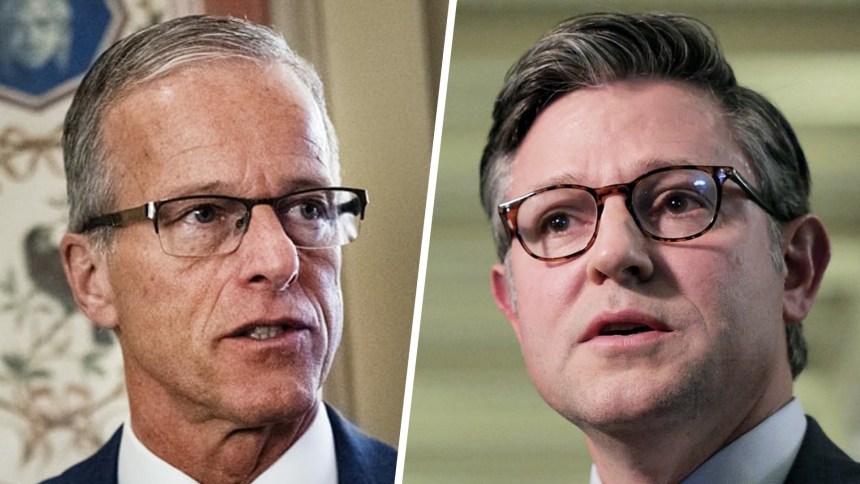
In voting to end the shutdown, Democrats wrung out two small concessions from Republicans. First, Senate Majority Leader John Thune pledged to hold a Senate vote in December on extending the subsidies. Second, and perhaps more important, the bill that ended the shutdown only provided enough funding to keep the federal government open until the end of January 2026.
That means Congress may have to go through this whole process again in just over two months — but in a very different political context.
First passed in 2021, the enhanced tax credits helped more than 22 million Americans afford premiums for health care plans on the ACA marketplace. Those enhanced subsidies are scheduled to expire at the end of this year. Already, many Americans are receiving letters from insurance companies with frightening premium increases. By January, those payments will be reality.

The nonpartisan research firm KFF estimates that the expiration of Obamacare subsidies could lead to a 114% spike in health care premiums, from an average of $888 in 2025 to $1,904 in 2026. In Florida, which has the highest number of Americans who get their insurance through Obamacare, an estimated 1.4 million people could lose coverage altogether, simply because they will no longer be able to afford their monthly payments. It’s not hard to imagine that this is the kind of event that could lead to widespread public anger.
By holding firm and “winning” the government shutdown, congressional Republicans have inadvertently ratcheted up the political pressure on themselves to reach a deal with Democrats and spare Americans those higher monthly payments or loss of coverage.
Indeed, one clear outcome of the government shutdown fight is that Americans are now far more likely to hold Republicans responsible for their rising health care premiums.
An overwhelming majority of Americans support extending the subsidies.
According to a recent Navigator Research survey, 47% of Americans blame the GOP for “health care premiums going up” versus 21% who hold Democrats responsible. And when asked which party they trust on “inflation & cost of living,” Democrats lead by 6 percentage points. Before the shutdown, they trailed by 2 points.
Putting aside partisan blame, an overwhelming majority of Americans support extending the Obamacare subsidies. A KFF poll in October, for example, put support for a legislative fix at just under 80%.
Could that lead Republicans to soften their position? Not right now, particularly when the president is writing on his social media site that “Obamacare Sucks.”
But between now and January, the pressure on GOP lawmakers will only grow. After all, do vulnerable House Republicans really want to head into next year’s midterm elections having given Democrats such an easy line of attack? Already, 13 House Republicans, all representing swing districts, have called on their leadership to extend the subsidies. Without a deal, the chance that many of them will be looking for new jobs next year increases considerably.
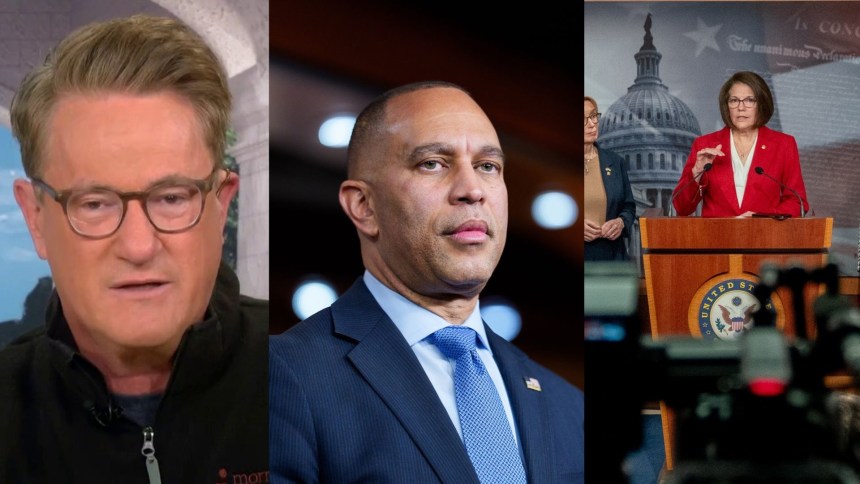
During the shutdown, Republicans, particularly the image-obsessed president, clearly did not want to be seen caving to Democratic hostage-taking. But given the sheer weight of public opinion, it’s not hard to imagine the GOP seeking a face-saving agreement to extend the subsidies, at least through, say, the midterms.
Paradoxically, from a political standpoint, Democrats would likely be better off if Republicans continue to reject a compromise. If Americans are angry about paying higher health care costs in January, imagine how they’ll feel next November, when they head to the polls.
The irony of the entire debate over the government shutdown is that in drawing a red line on Obamacare premiums, Democrats threw Republicans a political lifeline and a chance to avoid public anger over higher health care costs. With the shutdown over — but the threat of major premium increases on the horizon –Republicans would be fools not to take it.