Celebrated actor James Van Der Beek, the heartthrob who starred in the 1990s series “Dawson’s Creek,” lost his life to colorectal cancer on Wednesday at the distressingly young age of 48. Van Der Beek’s death serves as a reminder of the alarming trend of early-onset colorectal cancer, which has become the leading cause of cancer death in adults younger than 50. But even more, the launch of a GoFundMe campaign to assist his family with his medical bills is a poignant indictment of the U.S. health care system and the punishing toll it exacts on families dealing with medical crises.
The costs of James’s medical care and the extended fight against cancer have left the family out of funds. They are working hard to stay in their home.”
Friends of Kimberly van der beek
“Throughout his illness, the family faced not only emotional challenges but also significant financial strain as they did everything possible to support James and provide for his care,” said friends of his widow, Kimberly Van Der Beek, in a statement on GoFundMe. “In the wake of this loss, Kimberly and the children are facing an uncertain future. The costs of James’s medical care and the extended fight against cancer have left the family out of funds. They are working hard to stay in their home and to ensure the children can continue their education and maintain some stability during this incredibly difficult time.”
The average American has every right to be disturbed at learning about the fundraiser, and to ask: If a successful Hollywood actor’s family can be left in dire straits after a major medical fight, then what hope do I have of financially surviving a major medical diagnosis?
As of Friday afternoon, more than $2 million had been raised for the Van Der Beek family, an amount that no doubt owes to the popularity the actor gained over six seasons playing Dawson Leery on the WB teen drama. The family of a celebrity depending on crowdfunding to pay off his medical debt is a tragedy in itself. But the much bigger tragedy is that Americans in general are increasingly relying on these campaigns as a kind of health care coverage.

In 2024, in a perspective piece for KFF Health News, Elisabeth Rosenthal reported that “medical expenses” is GoFundMe’s most common fundraising category.
There’s an obvious reason why. In the United States, medical debt is the leading cause of personal bankruptcy. According to KFF, just less than half of U.S. adults say it is difficult to afford health care costs, and about 1 in 5 say they have not filled a prescription because of the cost.
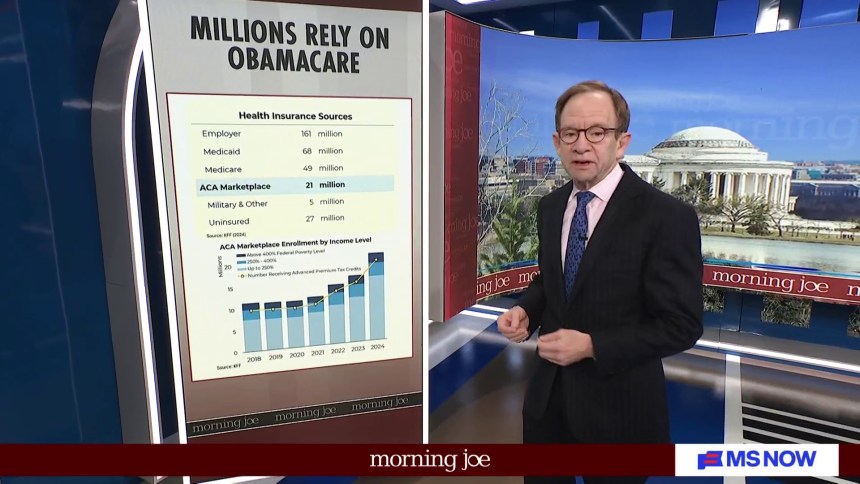
Moreover, high deductibles, copays, surprise out-of-network health bills and uncovered medications have made health care largely unaffordable for many Americans. It does not help that Congress failed to extend much-needed tax credits and subsidies for enrollees in the Affordable Care Act marketplace, which has led many Americans to experience an average increase of 114% in their monthly premium, or more than double what they paid last year.
High deductibles, copays, surprise out-of-network health bills and uncovered medications have made health care largely unaffordable for many Americans.
Despite spending almost twice as much as other wealthy nations on health care, the U.S. continues to have poorer outcomes with respect to life expectancy, maternal mortality and chronic disease burden. The end result: Americans are paying more and getting less.
Why are costs astronomically high in the United States? The answer is not straightforward but is largely due to high drug prices and to hospital consolidation, which reduces a fair competitive market and drives the costs from doctor and emergency room visits higher.
Although the Trump administration has made it an overriding goal to increase price transparency and decrease overall health costs, much more needs to be done to ameliorate the financial struggles for the average American. As an example, the administration recently launched TrumpRx, a direct-to-consumer platform featuring 43 drugs that Americans can buy for significantly less than regular list prices. However, the vast majority of Americans have private insurance and can access the same drugs on the platform at a fraction of the cost listed on the site. Much more work needs to be done to make health care affordable for the majority of Americans.
Medical crises should not require public charity. After a losing a loved one, a family ought to be able to focus on mourning, not crowdfunding.
Fixing a broken health care system will likely take decades of reform. But a good start would be to cap out-of-pocket costs, expand subsidies for those in the Affordable Care Act marketplace and use Medicaid to close coverage gaps. Those policy changes would effectively provide immediate relief to millions of Americans.
America can do much better. Van Der Beek was a celebrity, but his family’s struggle to afford his health costs and their need for help from friends and strangers demonstrate a major way that he and they are just like us.