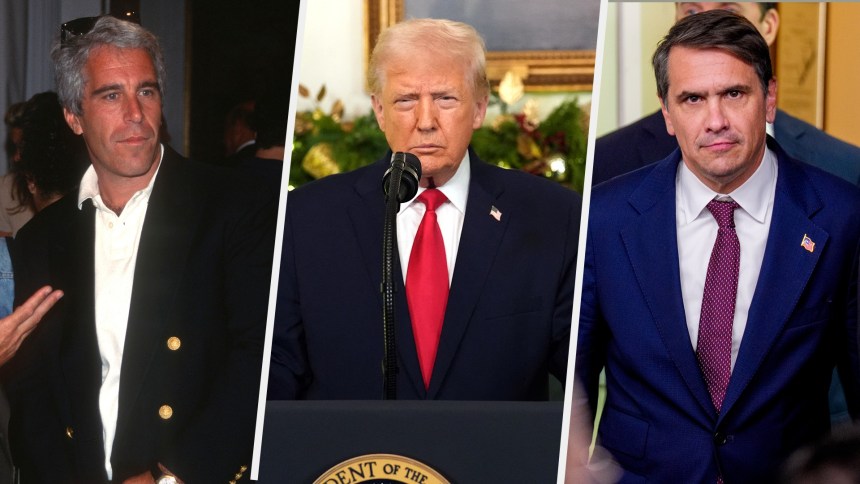
A comprehensive accounting on Jeffrey Epstein is finally underway. At least some of the documents the Justice Department began releasing Friday — with more to come by year’s end, the agency said — will probably reveal new information or associations, creating fresh threads for journalists to explore.
Some fundamentals that we already know about this story are important to recognize as we collectively try to move forward.
This political scandal is about much more than everyday politics.
This political scandal is about much more than everyday politics. Democrats will surely feel pleased with themselves for their part in elevating the story and forcing the release of the files. Many might have been motivated by a simple political calculation: Donald Trump was friends with Epstein for years, so anything that keeps Epstein’s name in the news would make the president look bad. But the eventually bipartisan push for release had the effect of creating at least a momentary sign of life in Congress, which has shirked its responsibilities as a co-equal branch of government for much of the year.
There’s a more fundamental reason why we should all be pleased at further exposure of Epstein’s activities and his network of friends and associates.
At its core, the Epstein story is about power and powerlessness, accountability and impunity. When crimes like Epstein’s abuses are exposed — and especially when we learn that prominent people were complicit, or ought to have seen what they closed their eyes to — it offers a chance to reinforce our values and aspirations for the kind of society we want to have.

How did Epstein get away with his abuses for so long? Why did the rules not seem to apply to him? Why, even after he was first convicted, did he not seem to lose his standing among the powerful? Those questions, and not just his connection to the president, are what will have implications for the national reconstruction project that must begin when Trump leaves office.
For years, it was Republicans who were most interested in the Epstein story — and not just any Republicans but the most conspiracy-minded among them. It isn’t hard to see why. Epstein was a real-life version of some of their wildest imaginings, especially the QAnon conspiracy theory that the world is controlled by a cabal of murderous satanic pedophiles who kidnap and kill children to drink their blood. When he died in a federal prison in 2019, it convinced many on the right that Epstein was the key to unlocking something even bigger, an all-encompassing conspiracy of unfathomable scope and villainy.
And when the Trump administration dragged its feet on releasing the files — with the president begging the country in July to “not waste Time and Energy on Jeffrey Epstein, somebody that nobody cares about,” many of those die-hard MAGA loyalists felt betrayed — and said so, loudly. Although the president continued urging Republicans not to succumb to what he claimed was a Democratic “hoax,” the effort for release gathered force — pushed by Epstein’s victims and the human inclination to be curious about what powerful people are trying to conceal.

The newly released files aren’t the only source of information the public can now access about Epstein. Democrats in Congress have been releasing photographs provided by the Epstein estate, which include images of people such as Bill Gates, Steve Bannon and Noam Chomsky on Epstein’s plane or at his properties. Does that prove they committed crimes or had some advance knowledge of Epstein’s? No. Is it terribly embarrassing for them? Absolutely.
And it should be. If you were friends with Epstein, you deserve to be shamed and scorned.
If you were friends with Epstein, you deserve to be shamed and scorned.
Take Larry Summers, probably the most influential economist in America for the past few decades. He’s not accused of criminal wrongdoing over his links to Epstein. But the contents of his chummy emails with Epstein — including seeking Epstein’s advice on how to persuade a young “mentee” to have an affair with him — were so repugnant that they have led to Summers’ expulsion from his honored position in the American elite. He’s no longer teaching at Harvard, and the American Economic Association banned him for life.
It’s not much, but it’s a start.
Wealthy, powerful men exploiting and abusing people with impunity is an old story, but we must not allow ourselves to accept that it is inevitable. And if exposing every last association Epstein had makes some other powerful men a little less likely to think they’ll always be able to get away with their misdeeds, then we’ll all be better off. If the rich and powerful were a little more concerned that society’s rules and norms apply to them, too, we would live in a more just world.

The lesson of the Epstein case isn’t that there is One Conspiracy To Rule Them All. But that doesn’t make the impunity with which he operated any less appalling. You might have a hard time convincing your QAnon-pilled uncle that Hillary Clinton was not kidnapping children and holding them in the basement of a D.C. pizza restaurant, but you can both agree that we ought to do a better job of making sure everyone is subject to the same rules and everyone stands to pay a price if they break the law.
That’s where the real link to Trump comes in. His administration has been characterized by an astounding and appalling level of corruption and contempt for legal constraints, driven by an arrogance that n some respects resembles Epstein’s. It says: I’ll do whatever I want. Who’s going to stop me?
Once Trump’s term is up, we’ll need the kind of reform effort that followed the Watergate scandal, when we learned that the laws were too weak to protect us from a president who thought he could get away with anything. If that push for reform is helped along by all the horrific things we learn about Epstein, so much the better. Because we have a long way to go.