

This is the March 10, 2026, edition of “The Tea, Spilled by Morning Joe” newsletter. Subscribe here to get it delivered straight to your inbox Monday through Friday.
QUOTE OF THE DAY
“Why are you the only person saying this?”
— New York Times White House correspondent Shawn McCreesh pressing Donald Trump after the president suggested a missile strike on a girls’ elementary school in southern Iran was carried out by Tehran.
CHART OF THE DAY
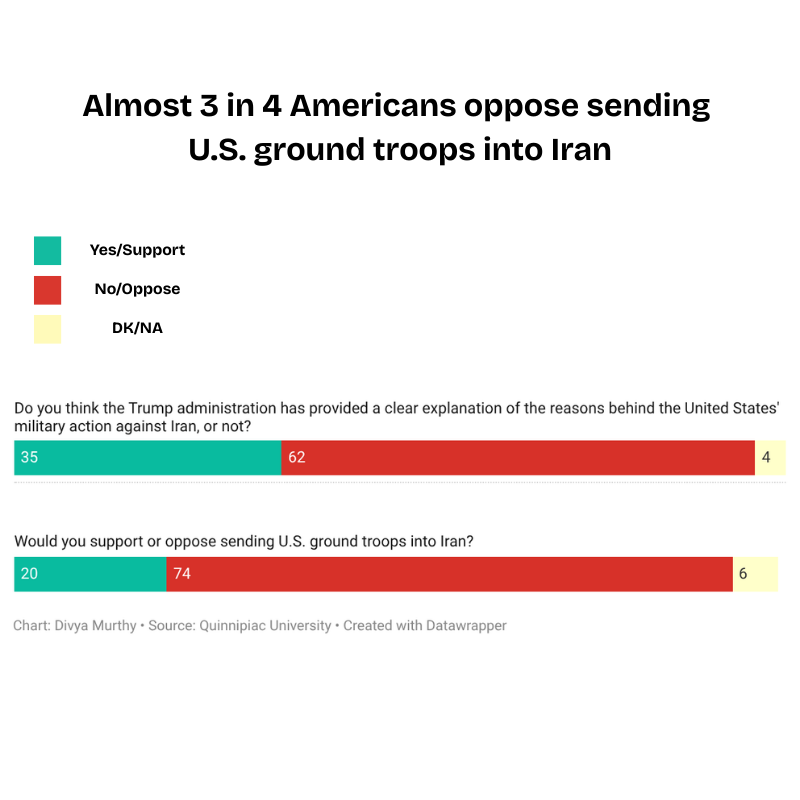
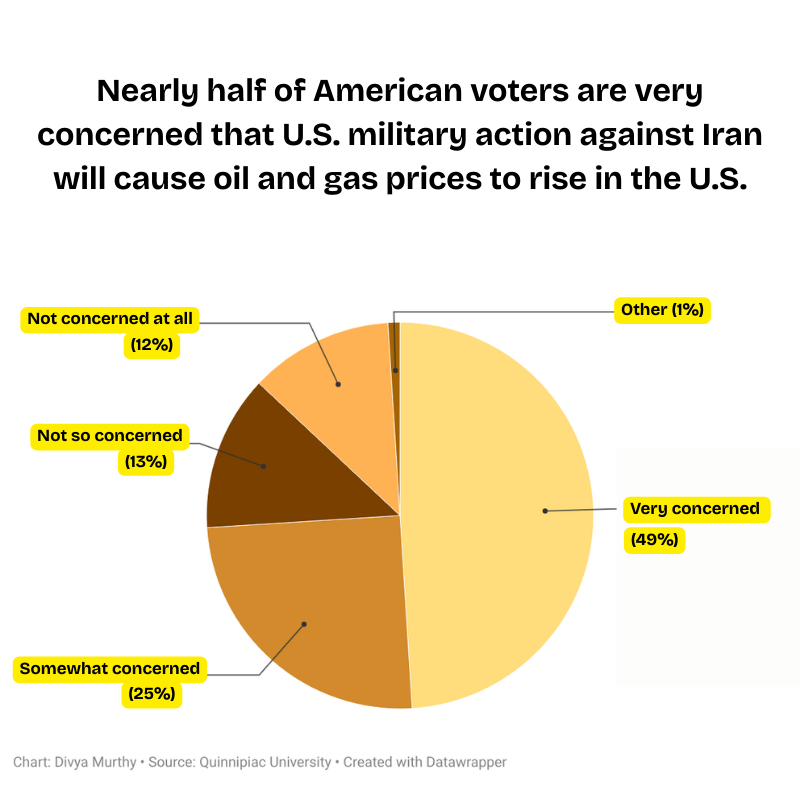
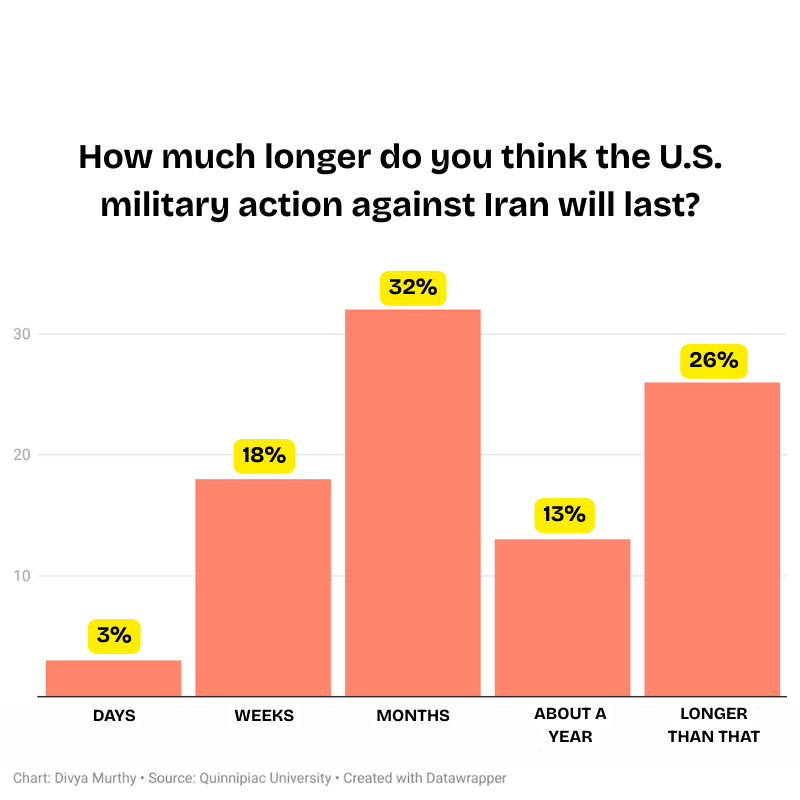
ON THIS DATE
On March 10, 1876, Alexander Graham Bell sent the first telephone message to his assistant, Thomas A. Watson: “Mr. Watson, come here, I want you.” (Bell had just spilled acid on himself.) Bell is shown here 16 years later making the first call between New York and Chicago.

A CONVERSATION WITH SENS. TIM KAINE AND CORY BOOKER
Senate Democrats are threatening to use every procedural tool available to force testimony from top administration officials about the ongoing war in Iran. Six Democratic senators are calling for open hearings with Secretary of State Marco Rubio, Defense Secretary Pete Hegseth, and other senior officials, arguing that closed-door briefings have failed to adequately inform the public. Sens. Tim Kaine of Virginia and Cory Booker of New Jersey, two of the lawmakers leading that effort, joined “Morning Joe” to discuss the push for greater oversight.
WG: Senator Kaine, let’s start with the Constitution. Under Article 1, how is the United States supposed to go to war?
TK: The Constitution is really plain. You can’t be at war without a vote of Congress. We don’t send our sons and daughters into war where they could be killed or badly injured unless the political leadership casts a vote and says this mission is worth risking their lives for.
WG: If the administration hasn’t sought that authorization, what tools does Congress actually have to push back?
TK: There’s a privileged motion in the Senate statute that allows even one senator to challenge a president who takes the nation to war without congressional authorization. What we’re doing is seizing the floor repeatedly on these motions until we can finally get public hearings and bring this debate before the American public.
Ali Vitali: Senator Booker, what exactly are you hoping to hear if Secretary Rubio or Defense Secretary Hegseth are brought before Congress?
CB: What we’re demanding is what the American people want: oversight and investigation. Americans are watching this president drive up their health care and fuel costs while cutting programs at home and spending billions on a unilateral decision to go to war.
They’re asking, “Where’s my Congress?” This is the body that’s supposed to provide checks and balances — to deliberate before the country goes to war.
AV: If the administration says it has intelligence justifying these strikes, why wouldn’t they want to make that case publicly?
CB: They bring us into classified hearings and try to hamstring us so we can’t talk about what we’ve seen — even when the exchanges are absurd. We need public hearings with officials sworn under oath so the American people can understand what’s going on.
JS: Some Republicans argue that debating this now could undermine troops in the field. Sen. Kaine, how do you respond?
TK: Supporting our troops means making sure civilian leaders make good decisions before sending them into harm’s way. Our troops will do what we ask them to do — but when civilians make bad decisions, they’re the ones who suffer.
JS: You’ve pushed these kinds of war powers votes under presidents of both parties. Why keep pressing if Republicans may not change their votes?
TK: Our colleagues may want to hide from that debate. We’re not going to let them. And while they may not listen to us, I do think they’ll listen to their own constituents.
JS: Before we let you go, how do you feel about the plaque finally honoring Capitol Police who defended the Capitol on Jan. 6?
TK: When I see that plaque, I think about Howie Liebengood, a Capitol Police officer I saw every morning at the Delaware door. He grew up in the Senate — his father worked here — and he later joined the Capitol Police, protecting a place he loved like home. The attack on the Capitol was like an attack on his family and home, and the trauma from that day ultimately led to his death.
CB: Brian Sicknick was from New Jersey, and I’ve sat with his family. The anguish they feel hearing the president say there was no violence that day — and watching people delay honoring these officers — is profound.
This conversation has been condensed and edited for brevity and clarity.
EXTRA HOT TEA
$725 million
— U.S. cargo theft losses in the past year, up 60% as thieves increasingly target high-value artificial intelligence chips and computer hardware.
REPORTER’S NOTEBOOK: KIM GHATTAS
David Ignatius: Kim, what are you hearing on the ground in Beirut? Do you think we’re nearing the end of the Israeli campaign in Lebanon — and could a ceasefire there provide a model for broader de-escalation in the region?
KG: The president of Lebanon has made it very clear that the Lebanese are willing to sit down face-to-face with the Israelis to negotiate a ceasefire and a path forward — though we’re not talking about a peace agreement at this stage. The prime minister is on board, as well. Hezbollah, of course, is not. It is slightly incommunicado. It’s apparently difficult to be in touch with them.
This is a moment where the Lebanese state is really trying to assert itself. There is criticism inside the country that while this is a positive step, it may be too little, too late — and that these efforts should have happened sooner to avoid this war altogether.
MB: How important is U.S. accountability during this conflict, particularly when it comes to civilian casualties and maintaining credibility in the region?
KG: America’s credibility in negotiating with Iran has been severely damaged. Iranian officials are saying, “Why would we negotiate with the United States when negotiations have twice preceded bombing campaigns?”
MB: What would actually bring Tehran back to the table right now?
KG: The Iranians may re-engage precisely because it’s about survival. They could return to negotiations partly to buy time — to rebuild what they can and reassert control where they’ve lost it.
We’ve seen this pattern before. Hezbollah was declared decimated not long ago, but without diplomacy and a plan for what comes next, it was able to regroup and restore some of its capabilities.
This conversation has been condensed and edited for brevity and clarity.
ONE MORE SHOT

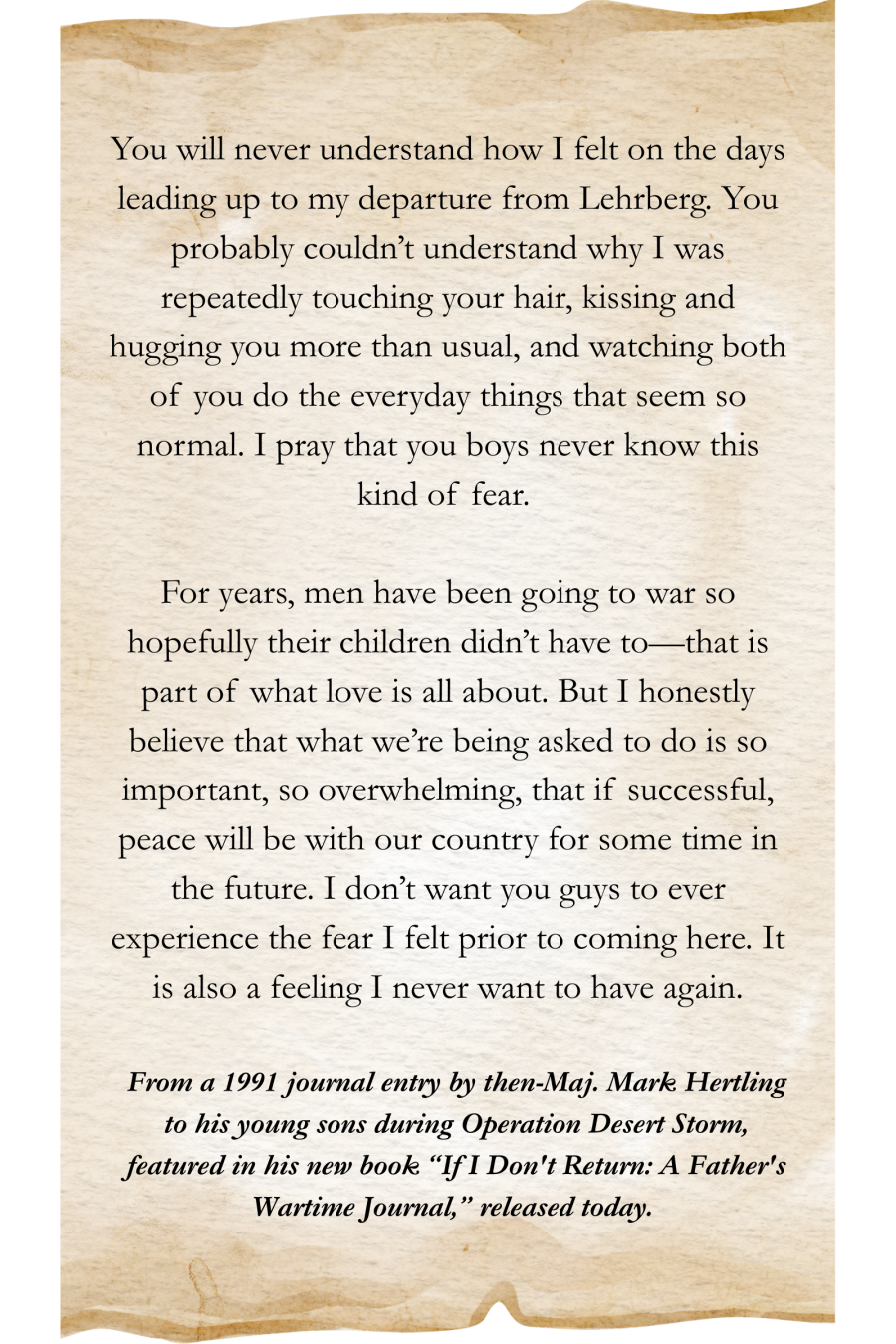
ON THE BOOKSHELF
CATCH UP ON MORNING JOE





Become a member to join the discussion