For reasons that defy political comprehension, Republican opposition to contraception access appears to be intensifying. GOP lawmakers in Congress included anti-birth control demands in their government-shutdown scheme; conservatives continue to fight contraception access in the courts; and as Rachel noted on the show last night, we still see Republican policymakers trying to make it harder to get birth control at the state level.
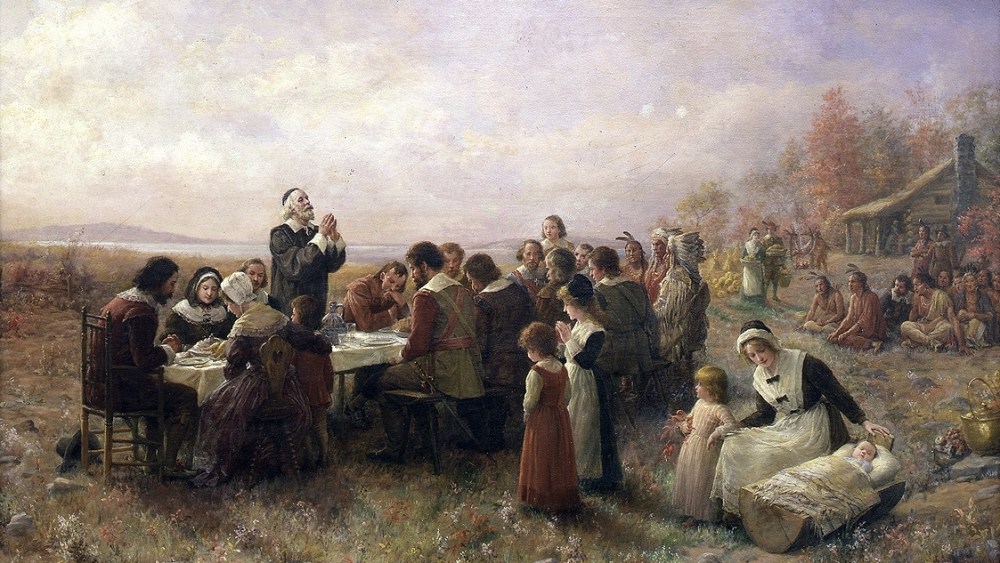
But it’s not just a policy push; there’s also a rhetorical argument underway. Family Research Council President Tony Perkins, for example, made the case yesterday that government should make it easier for employers to block access to contraception — because 17th-century Pilgrims would approve.
“I think this administration has a very narrow view of the First Amendment, that first freedom, the freedom of religion,” Perkins told Fox News’ Elisabeth Hasselbeck during a segment on the birth control mandate and its possible future before the Supreme Court. “I think they see religious freedom as fine with it as long as it’s in the four walls of a church. But if it comes into workplace, the marketplace, if it comes into the public square, it’s not welcome.”“But the reality is, the founders saw us with an aggressive ability to live our lives according to our faith,” he continued. “I mean, that’s why the Pilgrims came here.”
Katie McDonough joked, “What a great argument, Tony Perkins. Please, let’s base all laws governing women’s access to reproductive healthcare on the ambitions of a group of radical Protestant separatists from the 17th century.”
I’d add that if U.S. policy in any way forced Americans to buy contraception they do not want, this would be a very different kind of debate. But that’s simply not what’s at stake here.
At issue is a policy that gives American consumers a choice: if you want contraception, you should have access to it as basic, preventive health care. If you don’t want contraception, that’s fine, too. Our “aggressive ability to live our lives according to our faith” remains unaffected.
But what about anti-contraception employers who want to dictate their workers’ choices? First, it really shouldn’t be any of your bosses’ business whether or not you want birth control — their freedoms matter, but so do yours. Second, the White House already created a compromise for business owners so that they wouldn’t have to cover contraception costs directly through their insurance plans.
Keep these details in mind as the right’s fight against contraception continues apace.
UPDATE:
Related video: