“Boneless wings” aren’t chicken wings with the bones removed. If you think they are, you might want to keep that to yourself — or at least not file a lawsuit over it.
That’s a takeaway from a ruling rejecting a legal claim of deception over the term. Siding with restaurant and sports bar chain Buffalo Wild Wings, a federal judge in Illinois wrote that plaintiff Aimen Halim’s legal complaint “has no meat on its bones.”
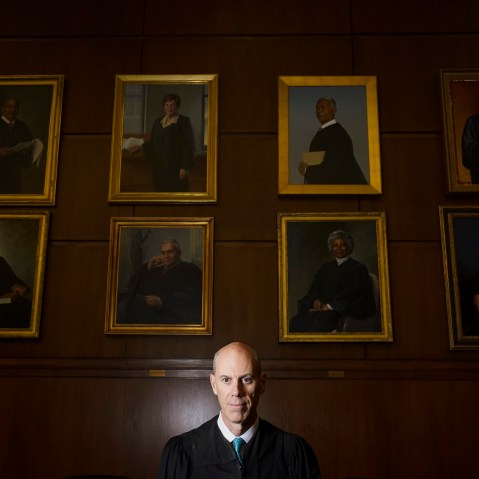
In his Tuesday ruling, which began by citing Shakespeare’s “Romeo & Juliet,” wondering whether a wing by any other name would smell as sweet, U.S. District Judge John J. Tharp Jr. wrote that the plaintiff failed to “plausibly allege that reasonable consumers are deceived by boneless wings.”
Halim had sought to mount a class action suit on behalf of himself and others similarly alleged to have been deceived.
“Unbeknownst to Plaintiff and other consumers, the Products are not wings at all, but instead, slices of chicken breast meat deep-fried like wings. Indeed, the Products are more akin, in composition, to a chicken nugget rather than a chicken wing,” his complaint said. “This clear-cut case of false advertising should not be permitted, as consumers should be able to rely on the plain meaning of a product’s name and receive what they are promised.”
Moving to dismiss the case, the company noted that its boneless wings cost less than its traditional wings. It said that should’ve been a clue to Halim and any other customers who might have otherwise been buffaloed.
“Under Plaintiff’s imagined reality, deboned chicken flats and drumettes would cost more than traditional wings because they would require further preparation, time, and cost than traditional wings,” it said, arguing that Halim’s claim therefore “defies logic by asserting that reasonable consumers would believe that the Boneless Wings are traditional wings that have gone through additional processing to remove the bone, yet cost less than traditional wings.”
Tharp referenced the cost point in writing that common sense “tells consumers that a product made out of the same ingredients, but requiring more time and work to create, would cost more — but they do not.”
Ultimately, the judge concluded that the plaintiff “did not ‘drum’ up enough factual allegations to state a claim.”
Still, Tharp agreed to give Halim another chance to try to provide additional facts that would show that the company is being deceptive. That theoretically leaves the case open, with any amended complaint due March 20, though the judge wrote that it’s “difficult to imagine” the plaintiff can provide such facts.
Subscribe to the Deadline: Legal Newsletter for expert analysis on the top legal stories of the week, including updates from the Supreme Court and developments in the Trump administration’s legal cases.