
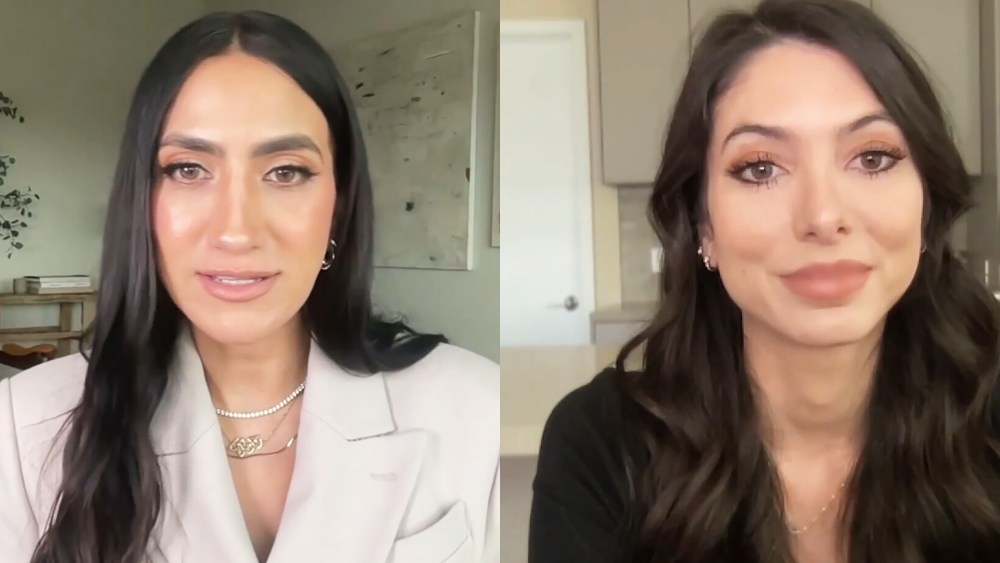
Last week, I sat down with my friend, the exiled crowned Princess Noor Pahlavi of Iran. We talked about the staggering loss of life in Iran at the hands of the Islamic Republic, with tens of thousands of Iranians reportedly killed for demanding what should be theirs by birthright their own freedom.
We spoke about her father’s decades of work building toward a democratic Iran, with power finally in the hands of its people. We talked about what it means to watch from a distance while people you love face violence for daring to use their voices, while so many in the world remain silent. We talked about the women, the incredibly brave warriors risking everything.
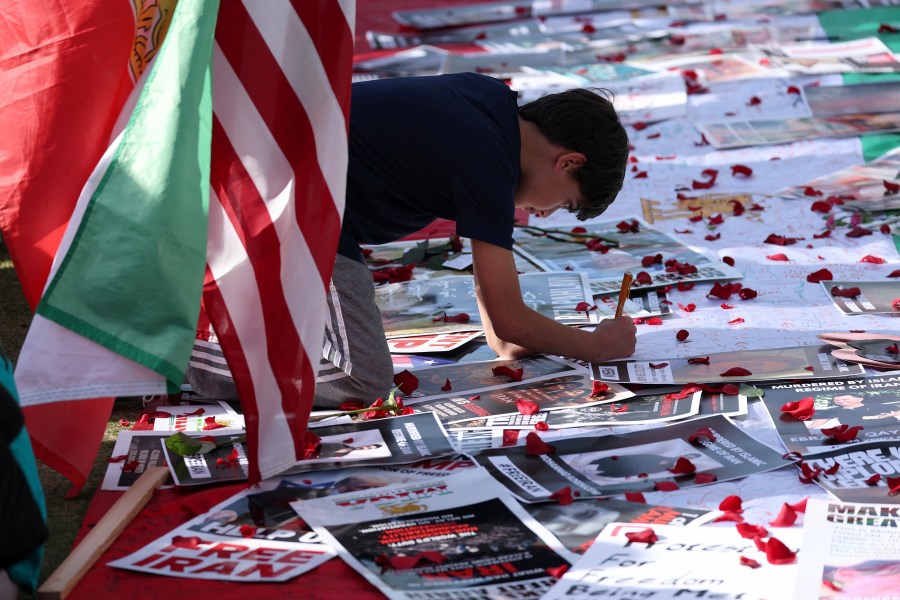
And just this past weekend, we walked hand-in-hand to the rally in Los Angeles for the “Global Day of Action” protest in downtown Los Angeles, where 350,000 people stood together to call for the end of the regime.
Before the crowd, she exclaimed: “This is not just a protest, this is a declaration of a nation reclaiming itself… Fear, the chief weapon in the Islamic Republic’s arsenal, is no longer effective against the lions and lionesses of Iran. Under gunfire, they rise. Knowing the cost, they rise.”
The Scale of What We’re Witnessing
The country where I was born is being brutalized by its own government. My people are being killed for protesting and for wanting to live in a country where women aren’t treated as property and dissent isn’t punished by execution, torture or rape. The regime has shut off the internet, turned military weapons against unarmed civilians, and filled prisons with those who demand change.
For nearly five decades, this regime has governed through fear, surveillance, and brutality. Since this regime violently seized power in 1979, it has been systematically dismantling everything Iran had been building toward. The economy is collapsing, with one of the highest inflation rates in the world. Basic necessities are out of reach for millions. Corruption has made even survival feel impossible. The environment is in shambles. And the regime’s obsession with exporting terrorism and proxy wars has wreaked havoc on the Middle East and the world for decades.
But it has shifted. This is not some marginal protest movement. This is the most serious challenge to the Islamic Republic since 1979, and Iranians, across generations, cities and villages, are done asking for reform. They want the regime gone.People are tearing down the regime’s symbols in public. Confronting armed forces that have terrorized them for decades. And they are demanding the return of Noor’s father, Crown Prince Reza Pahlavi, who has dedicated his life working toward a free Iran.
Crown Prince Reza Pahlavi was exiled as a young man when the Islamic Republic took over in 1979. And while he could have walked away, started over somewhere else, built a comfortable life in the West, he didn’t. He stayed focused on Iran, building coalition, organizing, and setting the vision for a democratic Iran. His love of country is unlike anything I have ever witnessed before.
Noor described his approach as patient but unyielding. He’s not positioning himself as the answer. He’s positioning himself as a bridge—someone who can help Iranians navigate a transition from authoritarianism to self-determination. To restore Iran to its great standing in the world. Iranians deserve the right to reclaim what was stolen from them. To decide for themselves what their country becomes.
Many don’t remember, but before 1979, Iran wasn’t what it is now. It was a country of poets, scientists, filmmakers, and architects. Iranian women attended university, held jobs, and participated in public life. Iranians contributed to global culture and innovation in ways that shaped the world. My favorite images of my mother before the revolution were of her and her girlfriends in mod minidresses at cafes and in bathing suits on the beautiful sea.
The Role of Women
In 2022, a 22-year-old Kurdish-Iranian woman, Mahsa Amini (also known as Jina Amini), was arrested in Tehran by the “morality police” for allegedly violating the strict enforcement of hijab rules, and died in custody after being brutalized and beaten. Demonstrations erupted around the world under the slogan “Woman, Life, Freedom.” Many women publicly removed or burned their hijabs as a form of protest. And after months of mass arrests, internet shutdowns, and deadly force by the Islamic regime, the protests finally subsided.
Iranian women have spent their entire lives under a government that views them as less than. In court, their word is worth half of a man’s. They inherit less. The state dictates what they wear, where they go, how they live. The legal marriageable age is 13 for girls. A woman cannot get married without the permission of her male guardian. She cannot obtain a passport or travel outside the country without their husband’s written permission. Divorce is extremely difficult for women to initiate, while men have an almost unconditional right to divorce. Legal guardianship of children remains with the father or paternal grandfather. They are banned from singing or dancing in public.
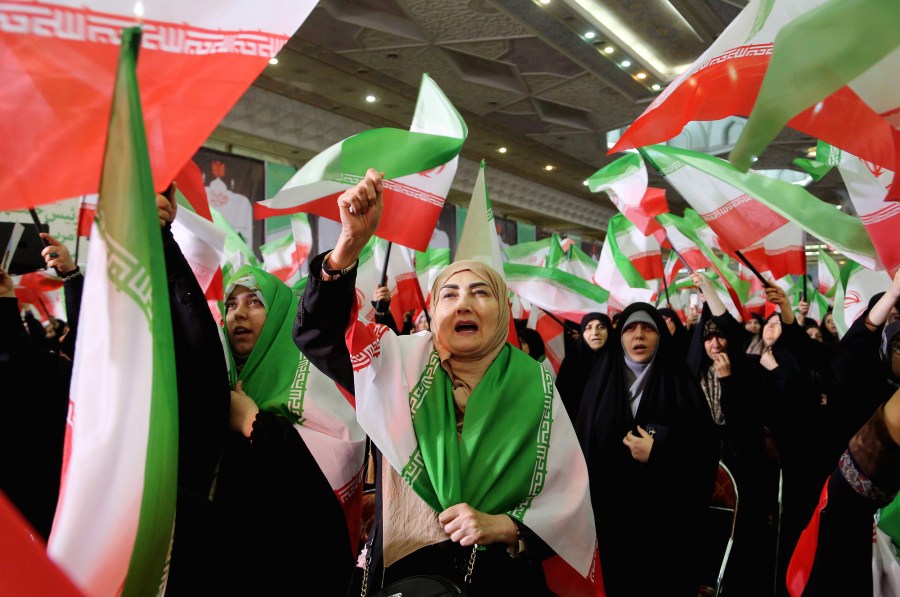
Their choices aren’t theirs.
And when women protest these conditions, the punishment is swift and brutal. Beatings, sexual assault in detention, and execution.
And yet they keep showing up.
Noor said something during our conversation that stayed with me: Iranian women aren’t just fighting for their own freedom. They’re fighting for the soul of the country. The regime has tried to dominate women by treating them like cattle. And instead, they’ve created these incredible lionesses that are leading these rebellions against them and speaking out and refusing to be silenced.
Because when you challenge a system built on controlling women’s bodies and silencing their voices, you’re dismantling the entire logic of authoritarian rule.
Noor explained that these women, who in Iranian law and in society, have been told that they are less than essentially powerless for the past 47 years, have risen up with extreme power and strength against this regime. They are demanding dignity, equality, and the right to exist without permission – the most important human rights issues of our time.
The Silence Is Deafening
And yet, despite everything I just described, the global response has been pathetically inadequate. No outrage, no protests, no encampments on campuses, no pins at the Grammy. So many of the great feminists I have worked with for decades are silent.
Meanwhile, Iranians—cut off from the internet, unable to reach the outside world, facing execution for speaking up—have been begging for attention. For solidarity. For someone, anyone, to care.
The hypocrisy is staggering. The same people who will show up for every other cause suddenly go quiet when it comes to Iran. The same media outlets that will dedicate hours to geopolitical speculation barely mention what’s happening on the ground. The same governments that lecture the world about democracy and human rights shrug when a terrorist-sponsoring regime murders its own people en masse. And it sends a message to Iranians that their lives, their freedom, their courage are unworthy of their otherwise limitless capacity for outrage
Supporting Iran is not a niche issue. It’s not optional if you actually believe in the values you claim to hold.
The Islamic Republic doesn’t just oppress its own people—it exports violence and extremism across the globe. It funds militant groups that destabilize entire regions. It trains terrorists. It interferes in elections. It backs proxy wars. It is one of the most dangerous forces operating in the world today.
And domestically? The regime criminalizes LGBTQ identity. It tortures dissidents. It executes people for protesting. It has destroyed Iran’s environment through corruption and negligence. Every morning when I was a child living under this regime, I was forced to chant “death to America, death to Israel” before school.
If you care about women’s rights, you should care about Iran. If you care about LGBTQ+ rights, you should care about Iran. If you care about democracy, human rights, religious freedom, or basically any progressive cause, you should care about Iran.
This is not a regional conflict. This is a test of whether we mean what we say. Iranians aren’t asking the world to fight this battle for them. They’re doing that themselves, at tremendous cost.
What they’re asking for is visibility, solidarity, moral support, and acknowledgment that what they’re fighting for—freedom, democracy, human dignity—matters. They’re asking for leaders like Crown Prince Reza Pahlavi to be taken seriously when they offer a roadmap toward democratic transition. They’re asking for their voices to be amplified, not silenced.
Talking with Noor reminded me why this work matters. Because right now, some of the bravest people in the world are in Iran. And they deserve better than our silence.




Become a member to join the discussion