This is the Feb. 16, 2026, edition of “The Tea, Spilled by Morning Joe” newsletter. Subscribe here to get it delivered straight to your inbox Monday through Friday.
The British are brutal to former prime ministers — even those who were successful in office.
Margaret Thatcher transformed the U.K.’s economy, but was scorned at her death by millions as a witch. As Steve Rattner said after her death, “If not for Thatcher, Britain would be France.”
Tony Blair, Labour’s longest-serving prime minister who helped bring peace to Northern Ireland, fares little better with the public. For many Brits, Iraq defines his entire legacy.
American presidents are rarely treated in such a grubby way. Harry Truman left the White House viewed by many as a historic failure. Today, historians rank his presidency as one of the best in the 20th century.
Both Bush 41 and 43 left office with low approval ratings. Yet Bush the Elder is remembered fondly for his leadership at the Cold War’s end, while George W. Bush’s legacy rests in part on PEPFAR — a program credited with saving 25 million lives in Africa — and on his outreach to Muslim Americans following 9/11.
This is not to discount the failures of these flawed leaders, or the arrogance that often leads to their worst mistakes. I have found myself talking to White House officials through the years and patiently explaining to Republicans and Democrats alike that they were not the first, or smartest, inhabitants to enter the Oval Office.
They don’t listen until history’s heavy hand knocks their presidency to the ground. It’s how they respond that determines the success or failure of their administration.
As Nancy Gibbs and Michael Duffy detail in The President’s Club:
“There is no experience you can get,” John F. Kennedy admitted after two years in office, “that can possibly prepare you adequately for the Presidency.” Nor is there any advice, any handbook, since every president enters office determined to turn the page. Kennedy couldn’t wait to toss out Ike’s military management style for a more supple, activist alternative.
“They behaved as though history had begun with them,” said advisor Clark Clifford of Kennedy’s men.
Ford practiced radical normalcy—his wife even discussed her mastectomy—to send the clearest possible signal that the dark age of Nixon was over.
Clinton wanted to prove he was not the second coming of Jimmy Carter; George W. Bush was all about not being Clinton; Barack Obama was about not being either one. Each had to learn how much they had to learn, before the club could be of much use—but eventually, they all find themselves reaching out for help.
“That connection begins the first time you receive the daily intelligence briefing,” argues the first President Bush. “We all understand the magnitude of the job when we decide to run for President. At least we think we do. But it’s not possible to fully appreciate the responsibility that comes with being President until you get that first briefing.”
May future presidents be blessed with a deeper sense of humility — and the understanding that history did not, in fact, begin with them.
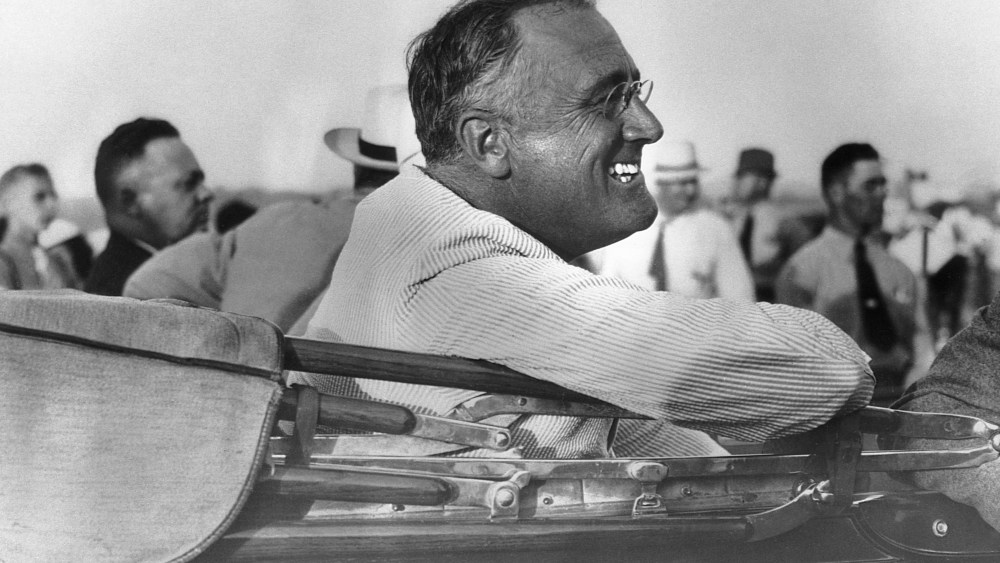
“We have nothing to fear but fear itself.”
—President Franklin D. Roosevelt in his first inaugural address to a weary nation struggling through the Great Depression. Roosevelt guided the nation for 12 years, through depression and war. He remains one of the most consequential presidents in history.

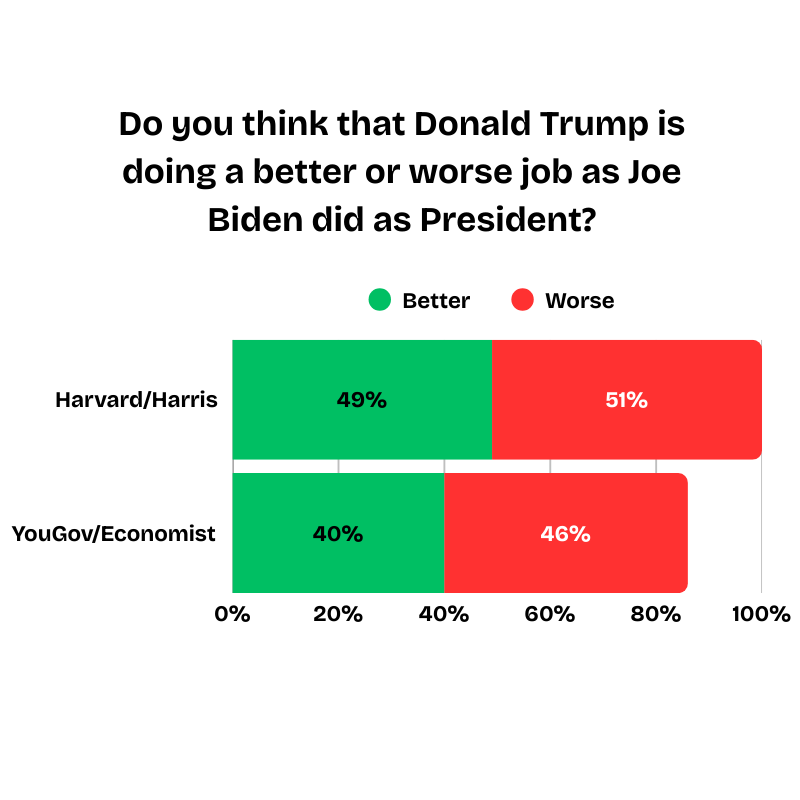
Sources: Harvard/Harris, YouGov/Economist

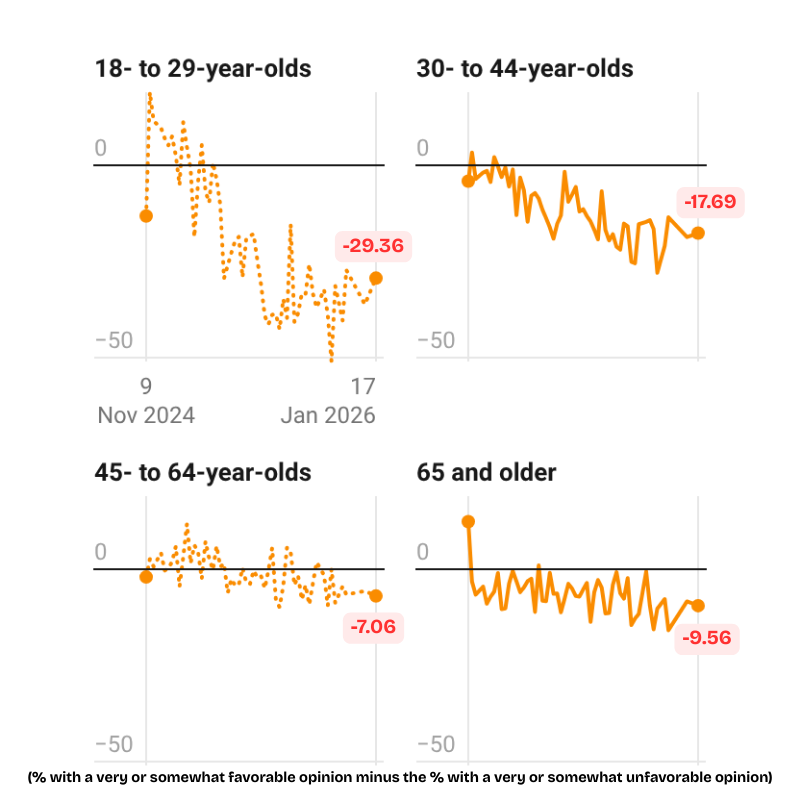
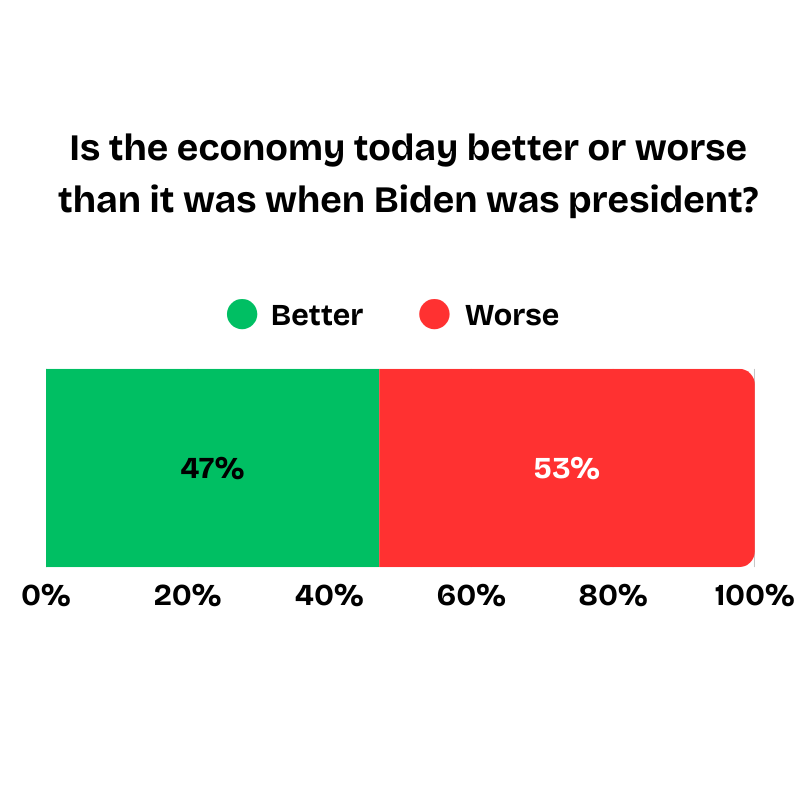
Sources: Harvard/Harris, YouGov/Economist
Making History with Jon Meacham, Doris Kearns Goodwin, and Douglas Brinkley
What defines a truly great president?
On Presidents’ Day, historians Jon Meacham, Doris Kearns Goodwin, and Douglas Brinkley joined “Morning Joe” for a conversation about leadership, character, and historical legacy.
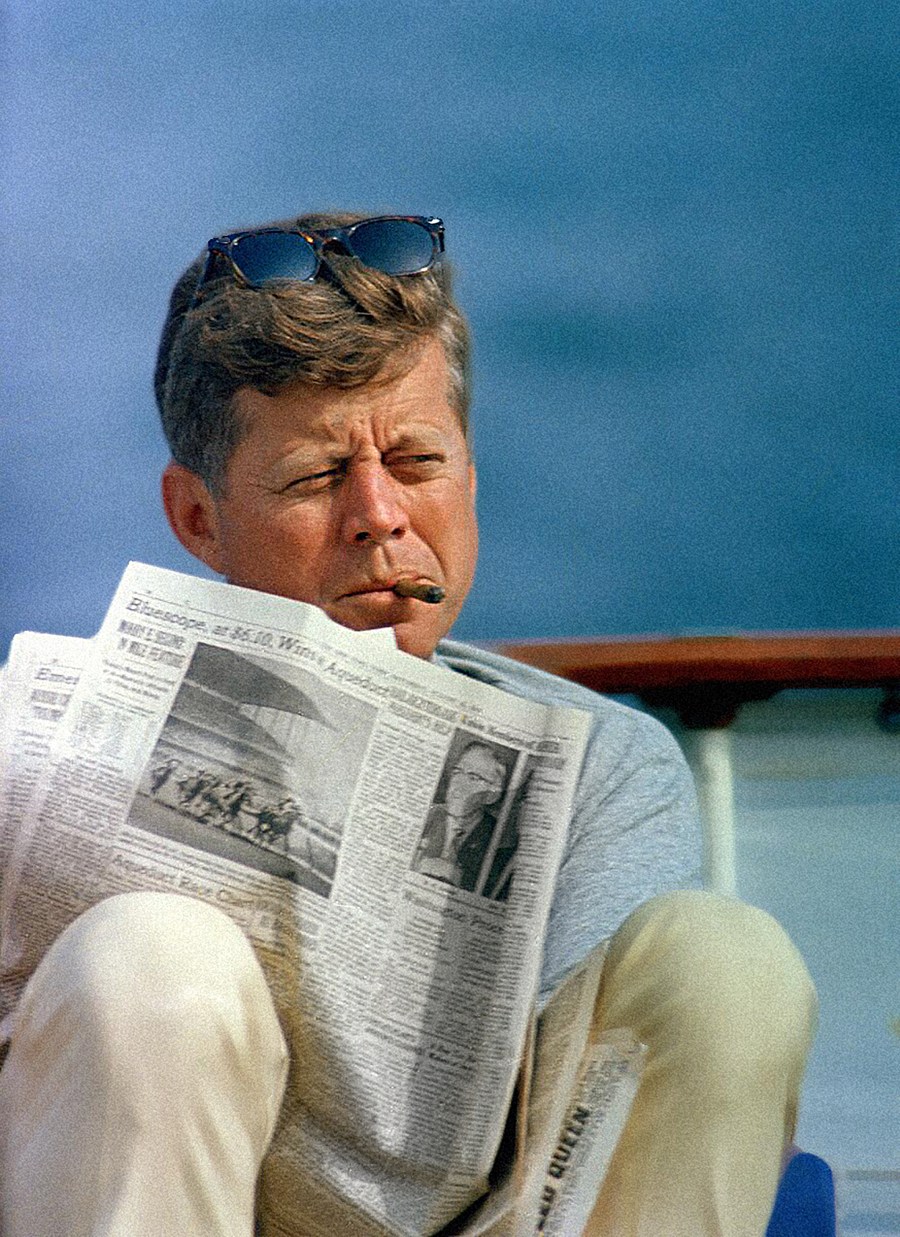
John Kennedy inspired a generation of Americans to public service and was the most popular president in modern American history, averaging a 70% approval rating. Kennedy launched the Peace Corps and promised to send an American to the moon by the end of the 1960s.
Ali Vitali: On this Presidents’ Day, we remember presidents not only for their actions, but for the character and moral fortitude they brought to this most difficult job. Who are you all keeping front of mind today — and why?
DKG: Teddy Roosevelt said it best. He believed the greatest thing a president can do is display character — setting an example and upholding standards. Those are the same qualities we hope to see in our children and leaders at all levels: Humility, empathy, resilience, accountability, kindness, compassion, and ambition for something larger than oneself.
[Abraham] Lincoln remains a defining example. Upon entering office, he surrounded himself with rivals — men who believed they were more qualified — because he recognized that a country in peril required humility and strength of character. At the end of his life, he showed remarkable empathy toward the South and the task of bringing the nation back together again — no retribution, no hanging, no prosecutions, no more hate. He simply wanted the country to move forward.
You also think about FDR — the optimism he brought to his first inaugural address. He changed the mood of the country almost overnight. People said they felt better. They felt they had a leader. They felt they had a government.
DB: By any measure, Lincoln faced pressures unlike those of any other president. His leadership and language still shape the nation’s understanding of itself. George Washington’s significance is similarly foundational. As the first president, he established precedents and effectively invented the modern presidency. Theodore Roosevelt’s legacy, meanwhile, endures in a different but equally profound way. His preservation of more than 230 million acres of public lands permanently altered the American landscape and national identity.
JM: That history offers a measure of hope. Americans don’t elect statues or flawless icons — we elect human beings. The presidents we most admire were often deeply imperfect, but they got the big things right.
The one certainty of the presidency is uncertainty. What matters, I think, is how a potential president has responded to a crisis in the past, usually a personal one. An extraordinary number of American presidents actually lost children. How they recover and go forward from those moments can tell you an enormous amount about how they’re going to help shape all of our lives.
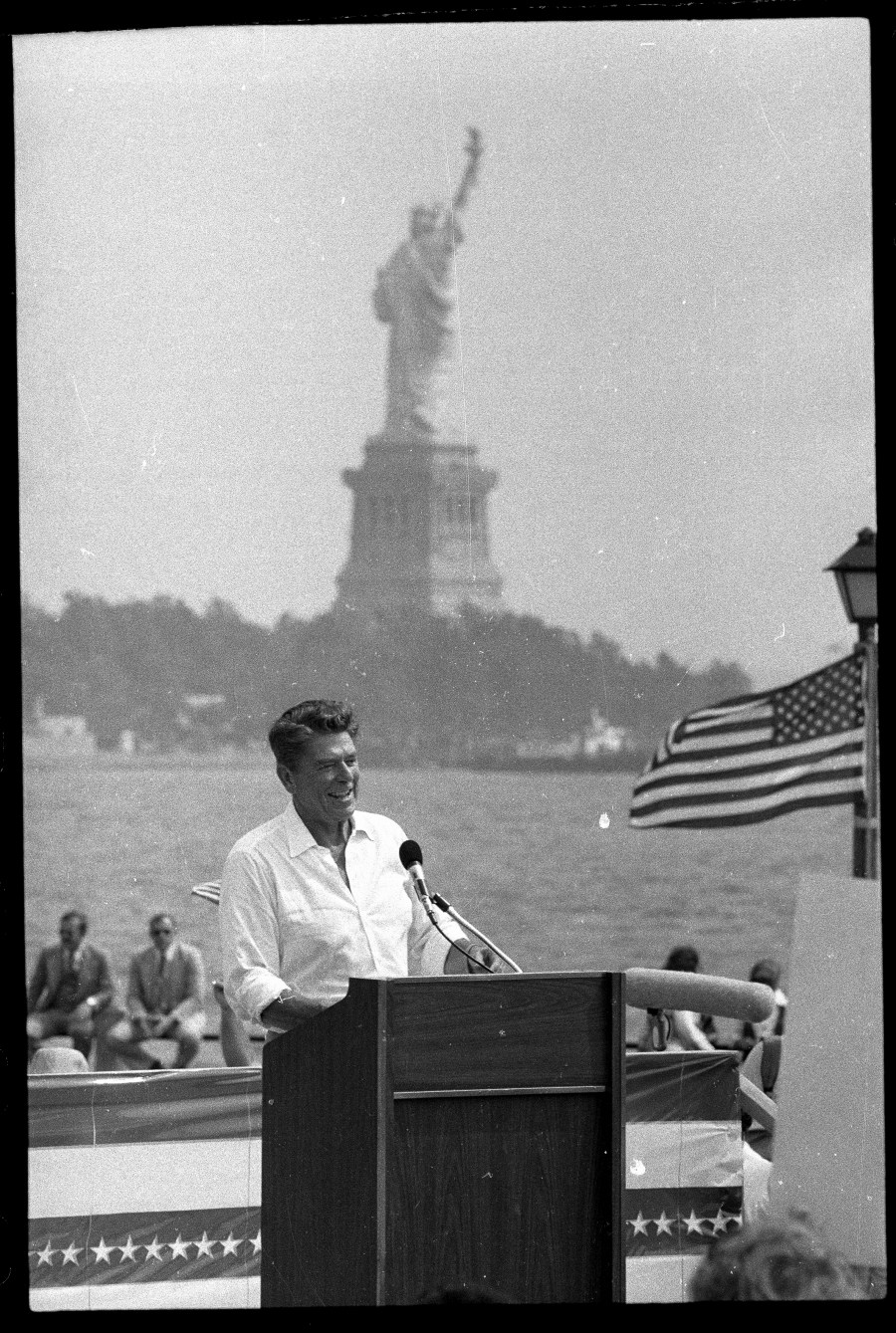
Ronald Reagan was derided as a B-list actor by many elites until the moment he launched the Reagan Revolution with his landslide victory in 1980. Reagan was the most consequential president since FDR, reviving the US economy and expediting the Soviet Union’s collapse.
Here, Reagan launches his 1980 campaign with the Statue of Liberty as his backdrop.
DKG: What is striking across generations is how many presidents entered office filled with doubt about their own capacity. When Washington was on his way to his inauguration, he said he felt like he was going to his execution.
When FDR was about to give his inauguration, somebody said, if your program works, you’ll be one of the great presidents. If it fails, you’ll be one of the worst. And he said, ominously, I’ll be the last American president.
AL SHARPTON: But isn’t presidential judgment also tied to how leaders measured up to America’s stated ideals? As the country approaches the 250th anniversary of the Declaration of Independence, it is impossible to ignore that many Americans were excluded from its promise. Black Americans lived under slavery for generations. Women waited far longer for political equality. Should presidents be measured by how they governed a nation constantly redefining who fully belonged?
JM: Rendering moral judgments about the past is always complicated, but one useful measure is to consider the dissenting voices of the era itself. Every American president — like every American generation — can and should be judged on the degree to which the country moves closer to, or further from, the fulfillment of the Declaration’s central promise.
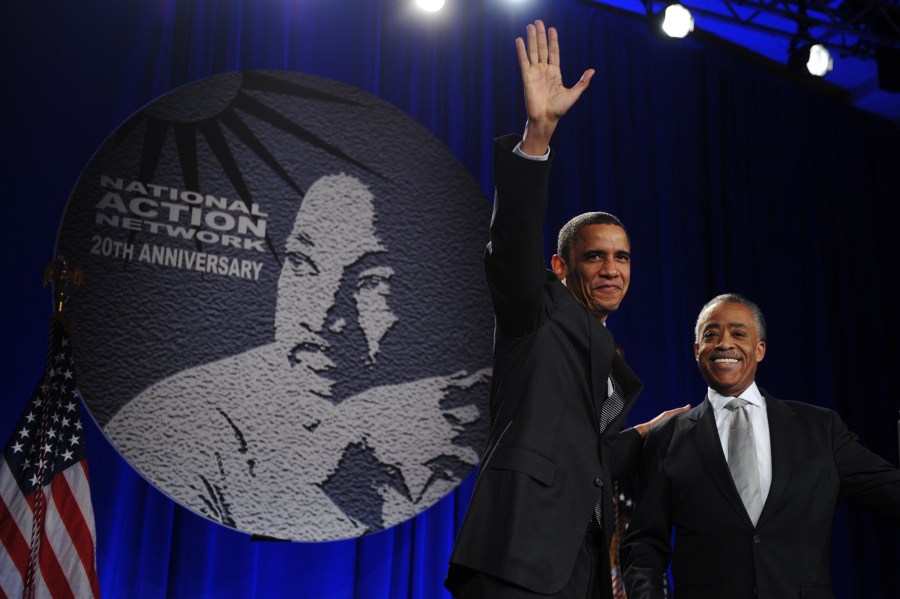
The election of Barack Obama was historic on many levels, as the United States became the first majority white country to elect as their leader a person of color. The Affordable Care Act became the most significant social program passed in 40 years. Here he is with civil rights leader Rev. Al Sharpton in 2011.
DB: Even contemporary efforts to shape presidential memory become part of that historical record. Take the plaques that President Trump put up in the White House. How presidents interpret the past, invoke their predecessors, and present their own legacies will itself be studied by future historians.
DKG: Lyndon Johnson remains one of the clearest examples of presidential complexity. The scar of Vietnam will always be there. But his courage and determination in domestic policy — civil rights, Medicare, Medicaid — reshaped American life. As he famously said, “then what the hell is the presidency for?”
This conversation has been condensed and edited for brevity and clarity.
ONE MORE SHOT
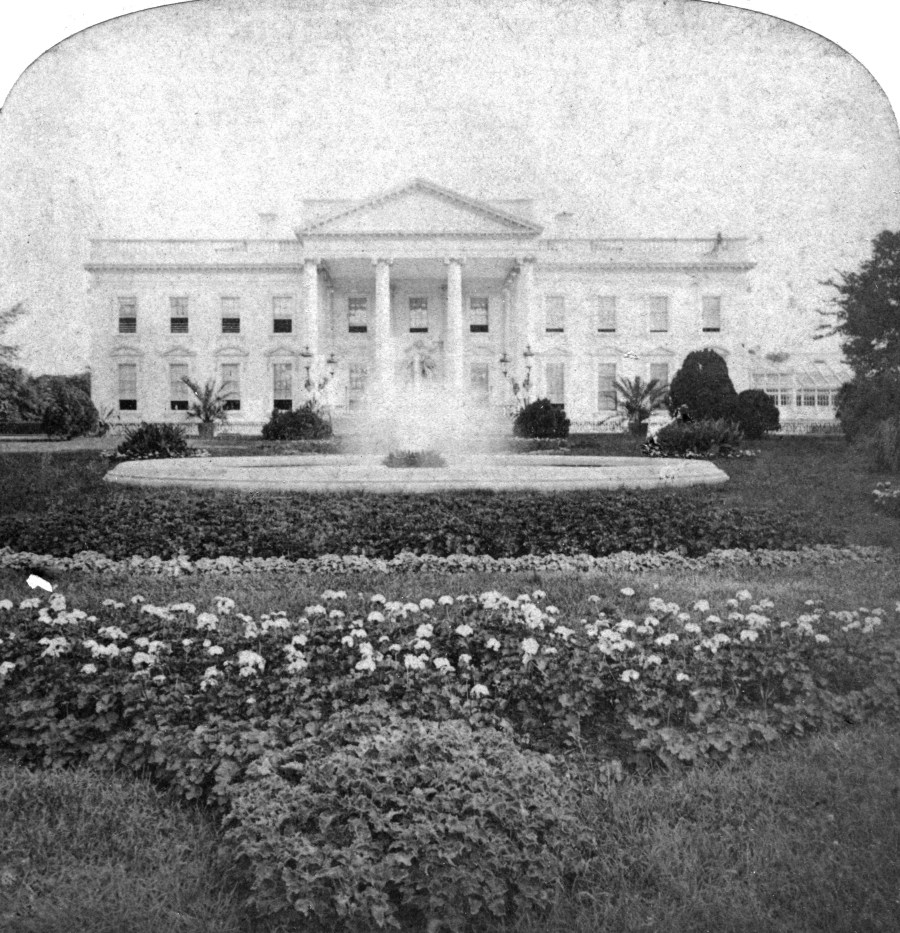
The White House, Washington, D.C., early 20th century. Stereoscopic card. Detail.
CATCH UP ON MORNING JOE