One of the most common arguments from Republicans on voter ID proposals is that Americans are often asked to show identification. On Friday morning, for example, Rep. Zach Nunn of Iowa appeared on Fox Business and pointed to laws that require ID to buy alcohol and purchase firearms.
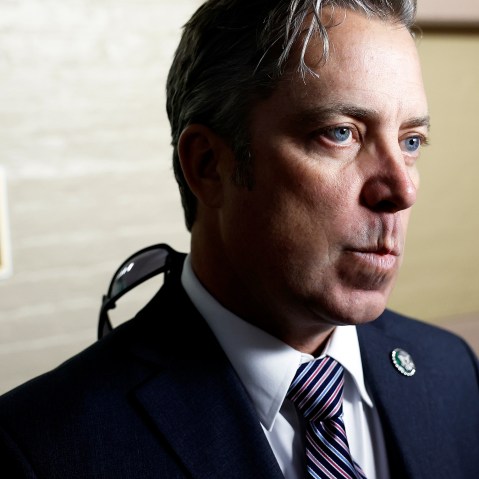
A day earlier, Rep. Bryan Steil of Wisconsin spoke with Fox Business’ Maria Bartiromo and made a similar pitch.
“I flew home to my home state of Wisconsin, went to buy a six-pack of beer,” the GOP congressman said. “The clerk recognized me, asked for my ID, confirmed it, and then I was allowed to buy the beer. I just think it is nuts that we protect our beer more than our ballots.”
For now, let’s not dwell on the fact that age verification laws are intended to protect public safety, not to “protect our beer.”
Rather, let’s focus on the bigger picture that federal lawmakers really ought to understand.
The public and policymakers have long seen value in preventing minors from buying alcohol. It’s not especially controversial — few figures in modern public life are lobbying to undo these laws — and they’re utilized all the time.
Indeed, every year, thousands of people face criminal charges and are taken into police custody, either because they tried to buy alcohol before they turned 21 or because they’re adults who bought alcohol for those who aren’t old enough to buy it for themselves.
In other words, these laws exist for a reason, and people get caught breaking them all the time.
In contrast, instances in which Americans try to impersonate other people while voting is ridiculously rare. It is a problem that, for all intents and purposes, does not exist.
To hear congressional Republicans tell it, if Americans need to show ID to buy beer, they should show ID to vote. But even if we disregard the underlying potential harms — drinking alcohol poses risks, while casting ballots does not — the comparison collapses quickly: Illegal beer purchases are common, and illegal voter impersonation is effectively unheard of.
Many proponents of voter ID tend to be reluctant to come right out and admit that they want to make it harder for people to cast ballots, imposing new and unnecessary hurdles in the hope that it would help Republicans, because that would be impolitic. But if GOP officials are going to make a persuasive case for creating new voting restrictions, they’ll have to do better than this.