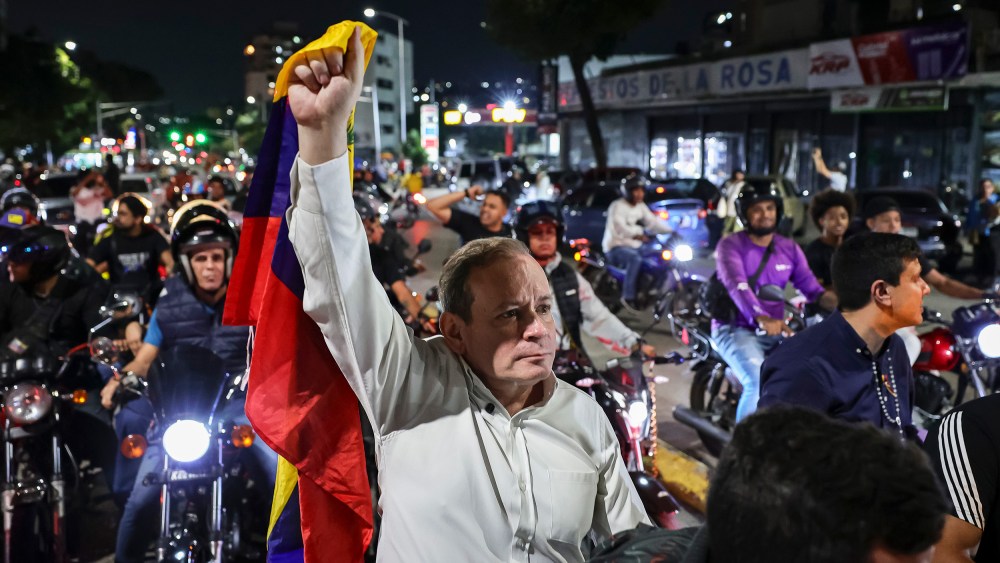
Having called last month for the release of Venezuela’s political prisoners, including my friend Juan Pablo Guanipa, I was elated this week to see him released from jail.
His “freedom” lasted less than 24 hours.
His new “crime,” for which he is now under house arrest? Having the temerity to ignore the gag order imposed on all former political prisoners.
Make no mistake: Five weeks after the Trump administration ousted Nicolás Maduro from power, the same anti-democratic regime is ruling Venezuela. Interim leader Delcy Rodriguez even said Thursday that Maduro remains the country’s “legitimate president.” She and her brother Jorge Rodriguez (the president of the National Assembly) are not ushering in substantial change. Yes, scores of political prisoners have been released recently, a mass amnesty is under discussion, and Delcy Rodriguez has promised to shut down the notorious “Helicoide” torture center. But we should peel back the layers on these actions before assuming there is truly progress.
Five weeks after the Trump administration ousted Nicolás Maduro from power, the same anti-democratic regime is ruling Venezuela.
Of the hundreds of political prisoners still awaiting their freedom, most were jailed over trumped-up charges by Tarek William Saab, who remains attorney general. Demanding the regime abide by the results of the July 2024 presidential election shouldn’t land anyone in jail. Similarly egregiously, the son-in-law of President-elect Edmundo Gonzalez found himself incarcerated merely for being a family member. Under the Maduro regime, these politicized incarcerations had no clear end date. Seeing some of these wrongfully detained people be freed suggests that things are moving in the right direction — that Venezuela might be on a path to reconciliation and, eventually, a democratic transition.
Until the regime shows its true colors.
Freedom remains elusive in Venezuela. Some of those released have opted to go into exile, and many in exile do not believe they can safely return. Several have told me they have seen the orders of capture against them for having worked with former acting president Juan Guaido or other members of the Venezuelan opposition. The newly released who have remained recognize that the revolving door of Venezuelan “justice” means that any time the regime considers them a problem, they are likely to be rearrested. This pattern is well-understood in Venezuela even if it has not sunk in in Washington.
Freedom remains elusive in Venezuela.
Venezuela learned from China’s “picking quarrels and provoking trouble” law — a broad and unclear statute Beijing enacted more than a decade ago that allows for throwing the book at pesky dissidents. The regime in Caracas incorporated its own law in 2017 to quiet dissent. The purposefully vague statue against the incitement of hate became a favored regime tool to go after political opponents. This legal framework results in broad self-censorship.
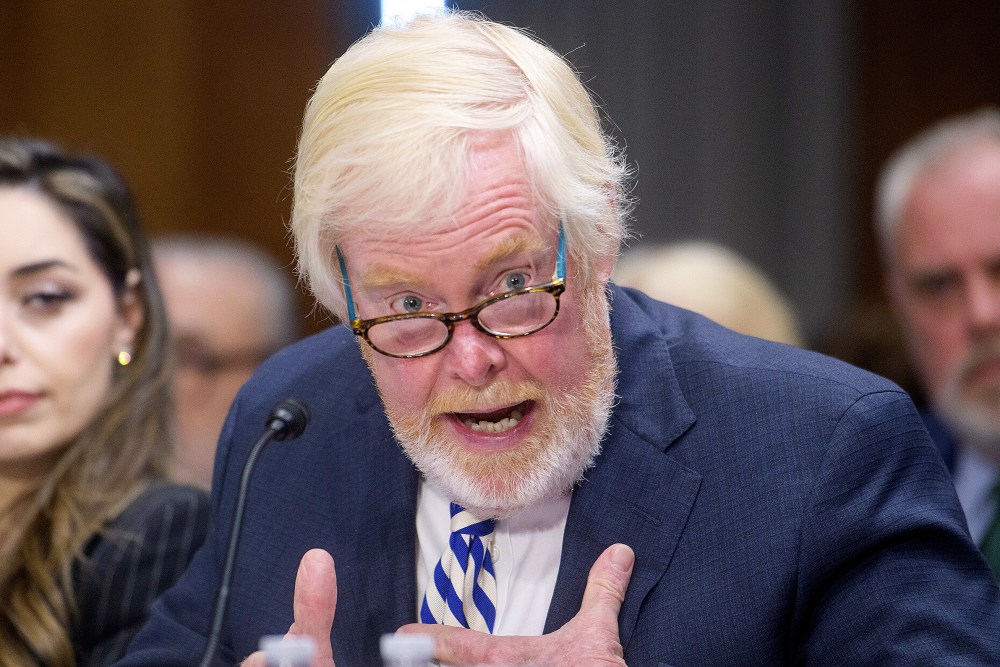
Similarly, the regime has for years closed down any broadcaster that publishes content at odds with its preferred narrative. When I was the U.S. chief of mission in Caracas, I once did a softball interview on college sports that was pulled off the air merely because I, a U.S. government official, was interviewed. The regime even shut down a news program hosted by Chavista journalist Vladimir Villegas, because he interviewed me. Within days of the interview, his television program was canceled and he was off the air for good.

Despite all this, some voices refuse to be quieted. In 2017, Juan Pablo Guanipa won the governorship of Zulia province, where a great deal of oil activity takes place. At the time, the Maduro regime was seeking to undermine Venezuela’s last democratically elected body, the 2015 National Assembly (which the United States stills recognizes). The regime created a Constituent National Assembly, ostensibly devoted to writing a new constitution (something it didn’t accomplish). Meanwhile, regime enforcer Diosdado Cabello used the regime-controlled Constituent Assembly to strip away powers from the legitimately elected assembly. This puppet legislature demanded fealty from newly elected governors and Juan Pablo Guanipa refused to bend the knee — so it barred him from taking office.
Instead of becoming governor, he became one of the strongest voices for democracy in the country and never wavered in telling truth to power. The Maduro regime arrested him in the runup to the 2024 presidential elections because he was such an effective communicator.
Despite the widespread attention paid to Juan Pablo Guanipa’s release this week, the regime swiftly rearrested him after he called for elections. The real threat? The popularity he has achieved on social media and his willingness to call for a return to democracy. He has the ability to bring people into the streets to demand their rights. The message is clear: You are “free” only as long as you comply. Evidently asking for democracy discomfits the regime.
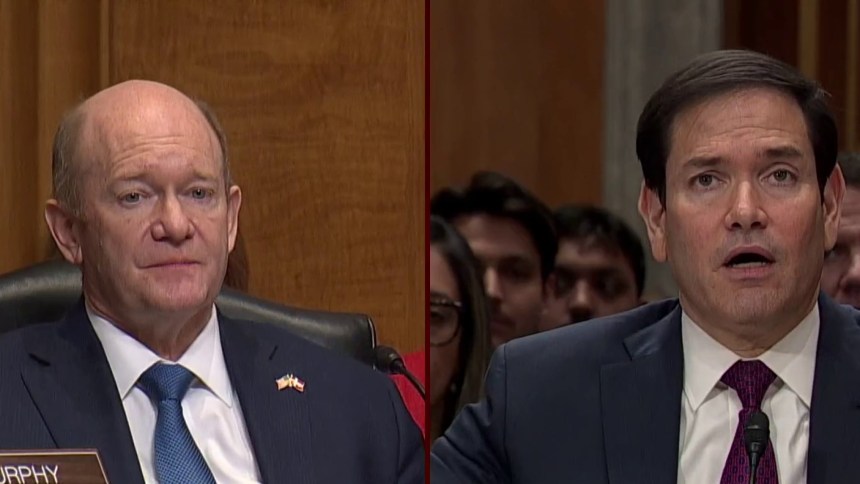
If, as Secretary of State Marco Rubio has stated, the world should pay attention to what the regime does and not what it says, then its treatment of political prisoners should trigger alarm bells. While Jorge Rodriguez has been saying the right things about reconciliation and learning to live together in peace, the actions against Juan Pablo and others signal something else about where Venezuela is on the road to recovery.
Freedom of speech and assembly are bedrock principles on which any democratic state is built. That’s why they are protected under the Venezuelan constitution. Washington needs to send a clear signal, immediately, about upholding these constitutional rights in Venezuela. As the regime recovers from the events of Jan. 3 and interim leaders seek to codify their new power structures and their own roles, it will become more, not less, difficult to put the country on a path to democratic transition. Juan Pablo Guanipa is a symbol of exactly how much work remains to be doneppo to achieve a free Venezuela.




Become a member to join the discussion